Describe the pattern before explaining it
A tyre may be more worn on the inner edge, show isolated hollowed areas or vary in height around its circumference. Begin by describing what is visible. Inner edge almost smooth while the centre still has clear grooves is more useful than immediately declaring that tracking is wrong. Similar patterns can result from different combinations of settings, loading and component condition.
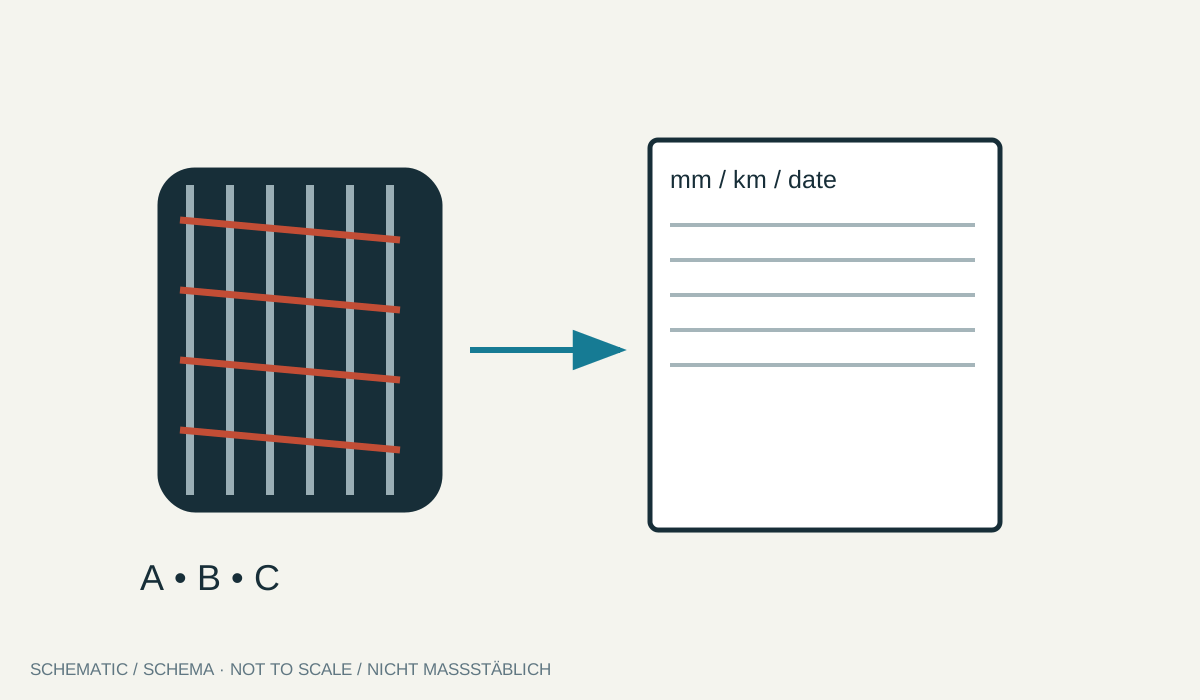
Photograph the whole wheel for identification and then the affected areas close up. Include a view showing which edge faced inward. Record wheel position, mileage and whether the tyre has recently changed position. Without that context, a photograph of a removed tyre may be difficult to connect with driving behaviour later.
Add measurements to the photographs
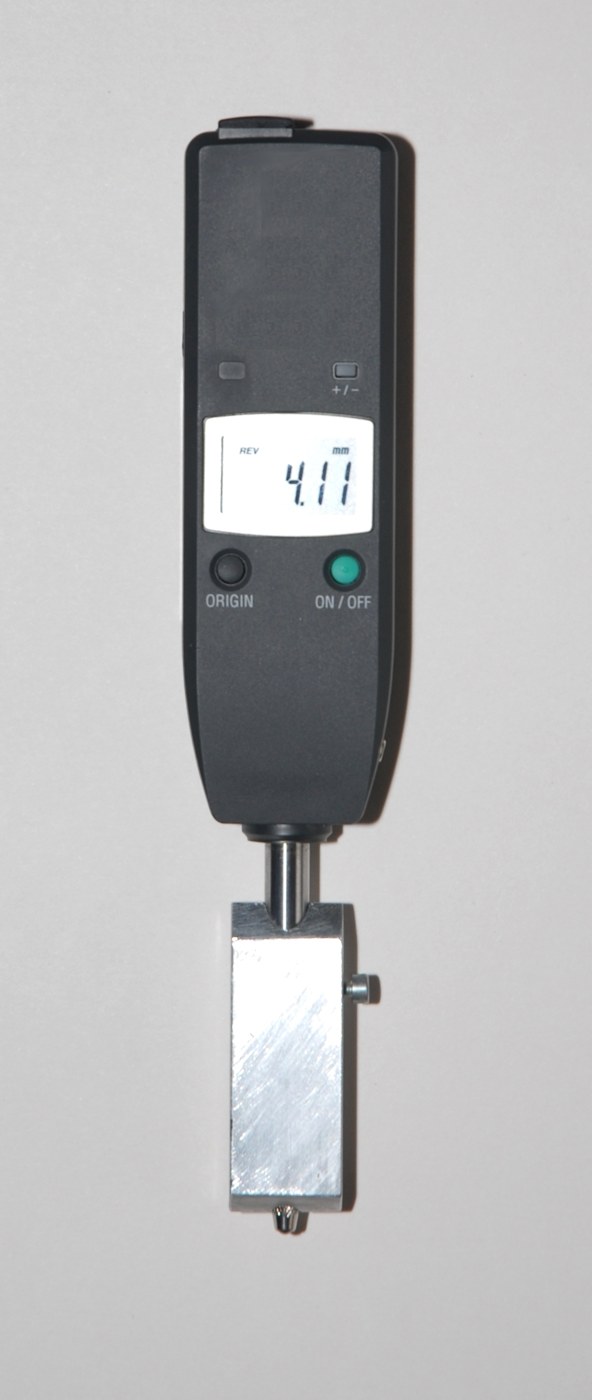
Measure tread depth at several points around and across the tyre. Record the individual readings rather than only an average. A very low local value can otherwise disappear numerically among better areas. Also check cold pressure against the vehicle instructions and note whether adjustment was needed.
Compare changes over time as well as left against right. An older photograph may establish whether the condition is new. If previous information is unavailable, say so. A workshop can investigate without a complete log; invented estimates of earlier condition are more likely to confuse the process.
Ask the workshop the right question
Request investigation of the cause, not merely replacement of the visibly worn component. Depending on the findings, tyres, balance, suspension parts and alignment can be relevant. Alignment is measured under defined conditions; that measurement does not automatically replace checking for play or damaged components.
Mention other observations: pulling, changed steering-wheel position, a pothole impact or recent suspension work. Explain whether a noise occurs only on a particular road surface. This information helps narrow the investigation without treating one explanation as already proven.
Use the result for subsequent checks
Ask which discrepancy was found and which work was performed. Keep any measurement report. With replacement tyres, a later condition check can show whether the pattern returns. One workshop visit cannot guarantee against every future change, but a documented starting point makes comparison easier.
Exposed cords, a bulge or an unroadworthy tyre takes priority over documentation. Do not continue driving merely to obtain a better photograph or comparison reading. Records support diagnosis; they do not justify further use of a damaged tyre.