Identify the correct item first
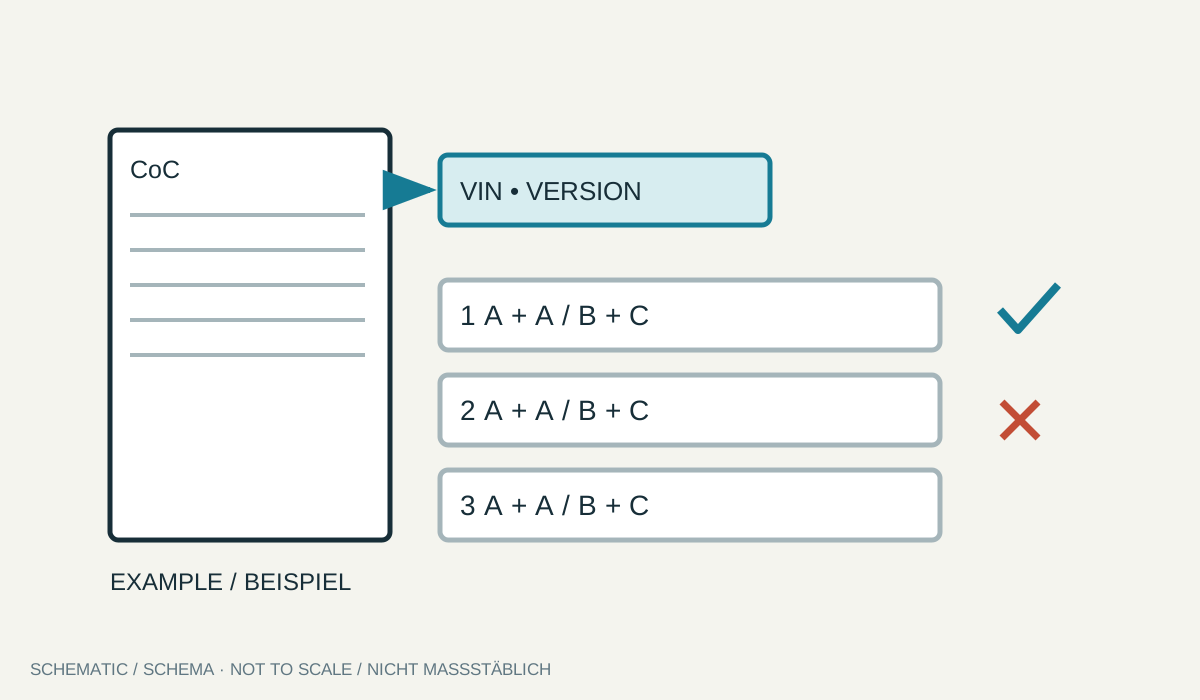
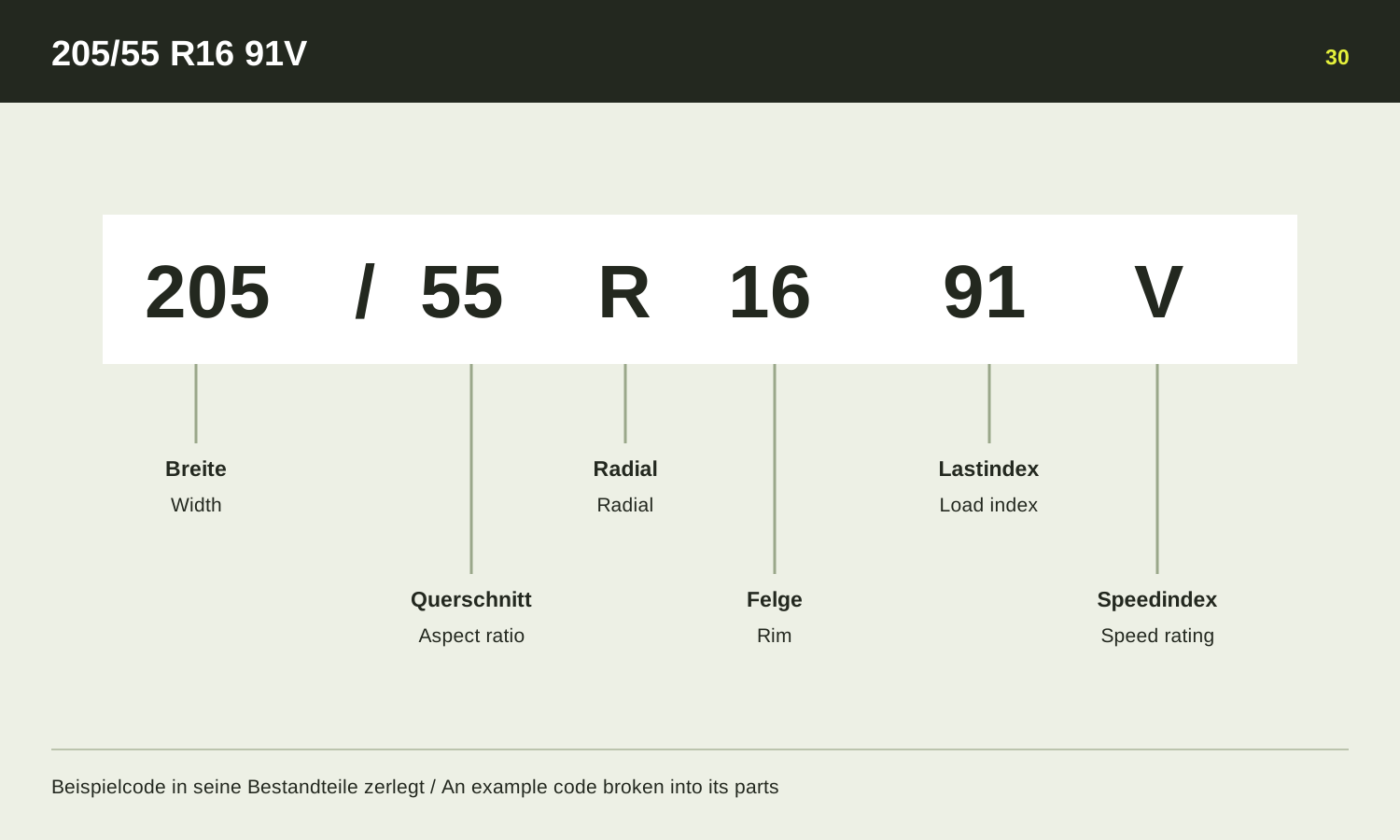
Before comparing colours and letters, establish whether the label belongs to the offered variant. Size, load and speed versions and other suffixes can differ within a product family. A general promotional image for the range is therefore insufficient. Product identification on the label and information sheet helps make the connection.
If needed, open the associated EPREL record through the QR code. Compare its details with the shop description. Resolve different versions before ordering. A correctly interpreted label for the wrong item remains of limited use to your decision.
Put the efficiency class in context
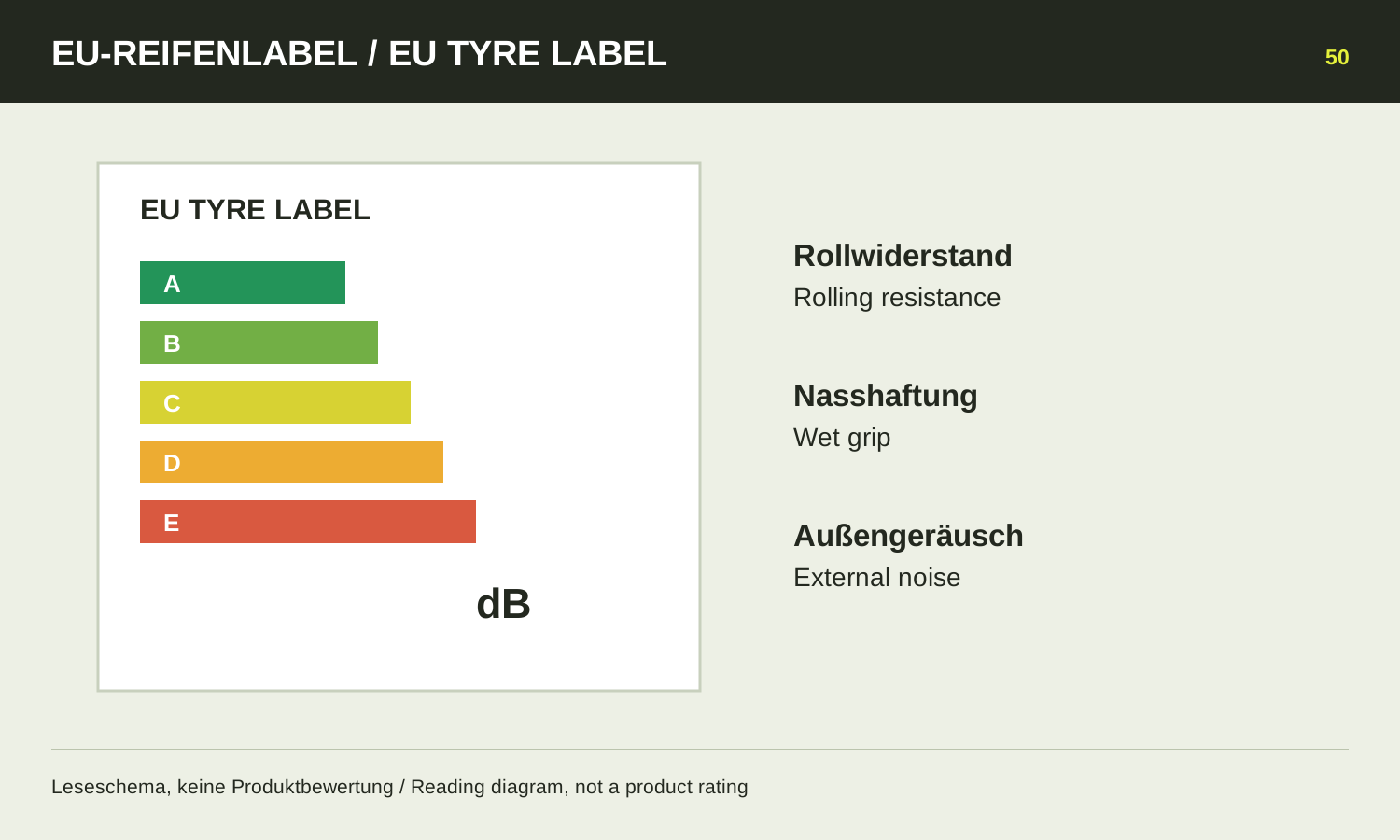
The fuel-efficiency classification relates to rolling resistance and provides a standardised comparison of that property. It does not directly describe your vehicle's complete consumption or guarantee additional range. Route, speed, load and weather still influence the result.
Compare suitable tyres in the required version. A better class can contribute to selection but should not conceal a substantial weakness in another important characteristic. Mark assumptions if calculating savings. A personal cash figure is not printed on the label.
Wet grip is a separate comparison
The wet-grip class concerns the specified standardised assessment. It supports selection but does not guarantee a stopping distance on every wet road. Condition, vehicle and actual circumstances still matter. Do not use the letter to calculate supposedly safe speed in rain.
Independent tests may examine aquaplaning, cornering and other characteristics separately. Read those results too when available in the required dimension. One label letter does not answer every question arising on a wet journey.
Noise is measured externally
The noise information includes a decibel value and a classification for external rolling noise. It is not the sound level at the driver's seat. Insulation, surface and other sound sources influence cabin perception. A smaller figure cannot simply be translated into an identical subjective comfort improvement.
If noise matters strongly, seek additional explained assessments and note their test vehicle. A recently developed drone should first be checked for a technical cause. A new model's low label value does not diagnose the present noise.
Do not confuse snow and ice symbols
Depending on the product, additional snow or ice suitability symbols may appear. They concern different characteristics and are not freely interchangeable. For German winter passenger-car use, the relevant Alpine marking deserves particular attention. Check the actual product and applicable requirements rather than relying on a winter picture in a shop.
A specialised ice tyre may target conditions different from ordinary central-European use. An additional symbol therefore does not automatically mean a better overall match for your driving. Technical and seasonal suitability need consideration together.
What the label does not fully cover
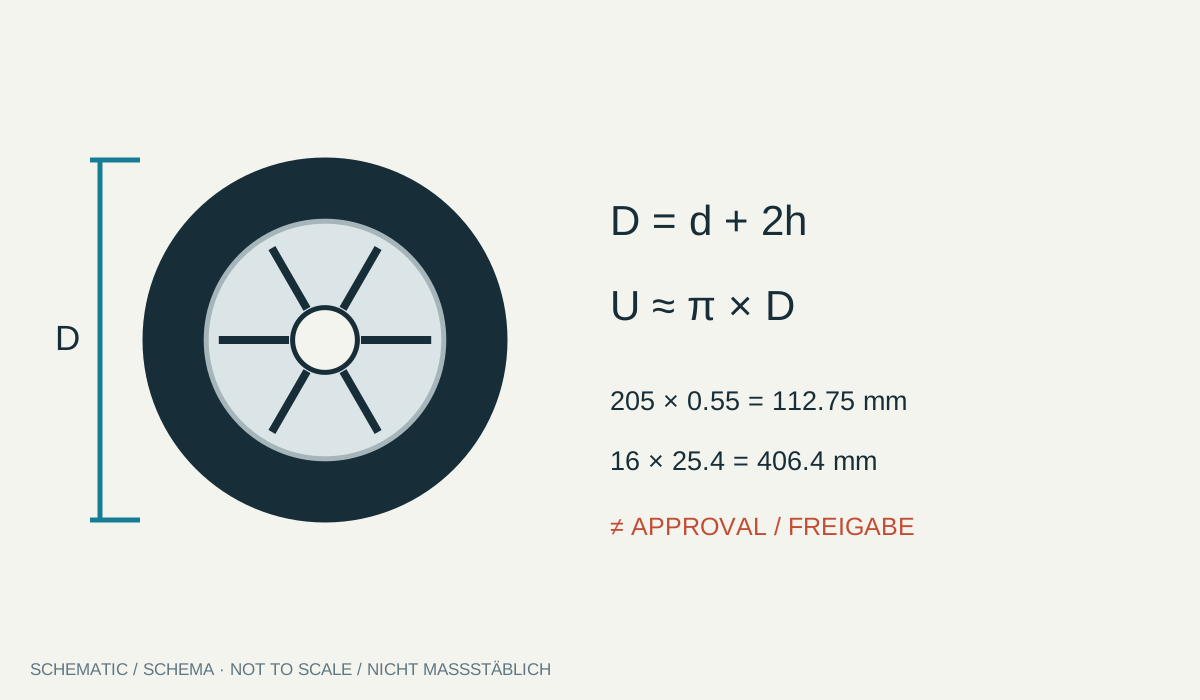
The label does not provide a complete assessment of dry handling, comfort, wear, service life or every weather situation. Nor does it approve fitment to your vehicle. Dimensions, capacity, speed requirements and other approvals remain separate checks.
Independent tests add information but also have limits relating to size and conditions. Label and test are not competing truths. They partly answer different questions and can complement one another in a clear selection process.
A short comparison is enough
For a few suitable candidates, record the complete item description, label figures, relevant test notes and inclusive fitting price. Mark missing data explicitly. This is more useful than an artificial overall score with unexplained weighting. Where values are similar, availability and clearly agreed services may decide the choice.
Save the information sheet with the offer. Check the supplied version on delivery. Query a different value or marking before fitting. The label then remains a traceable tool for an actual purchase rather than colourful decoration beside a price. Keeping the record also makes a later comparison possible if a retailer changes its online description or stops selling that variant.