From the size inscription to a theoretical diameter
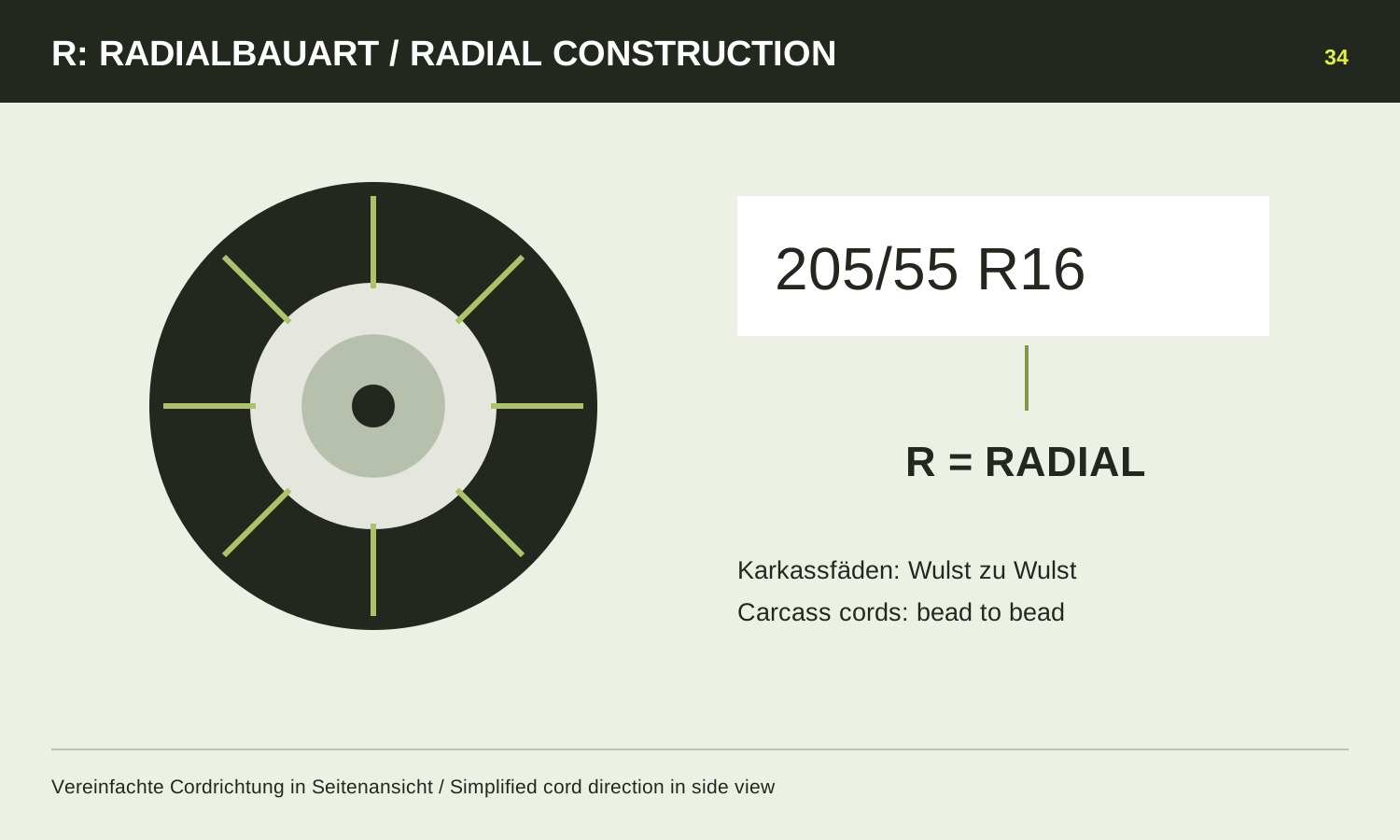
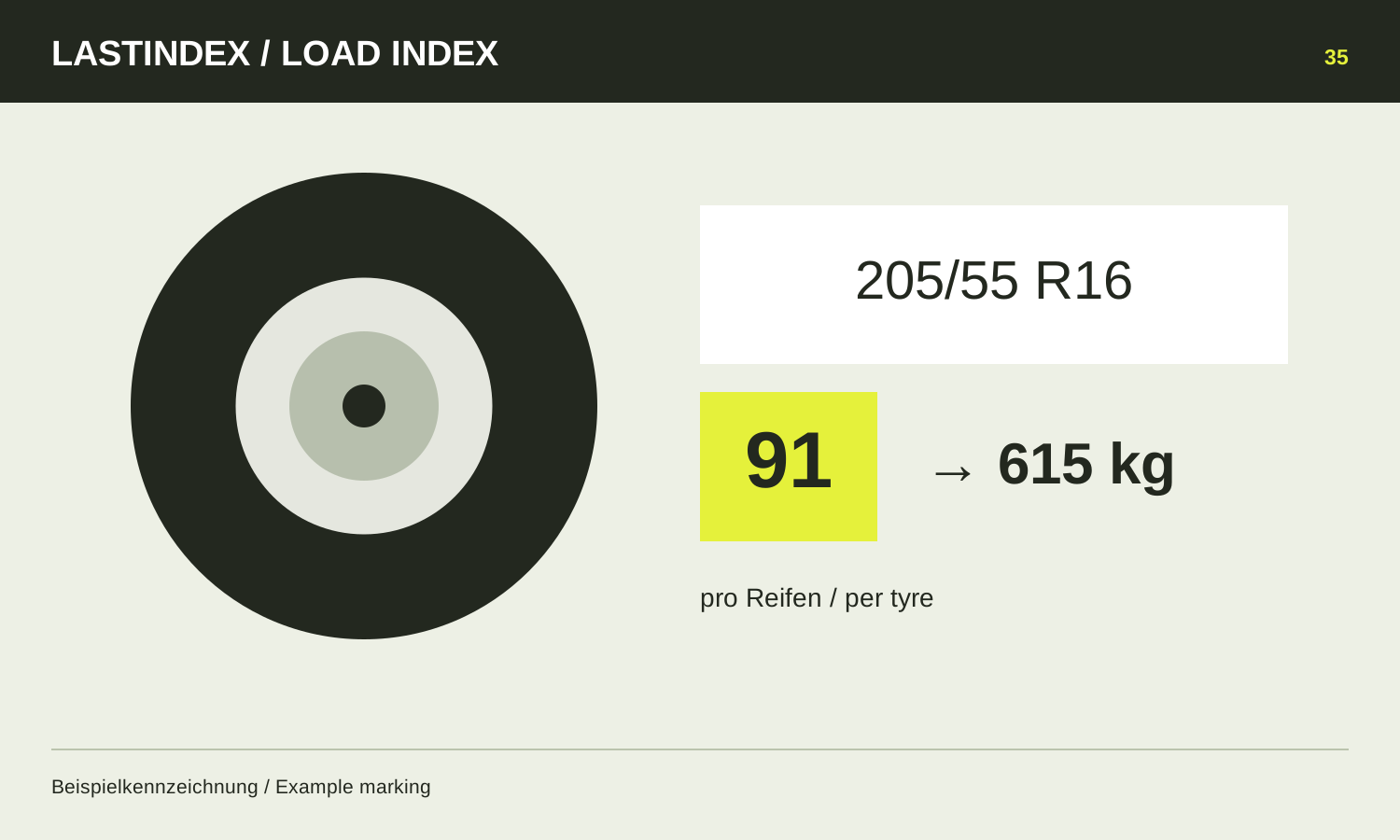
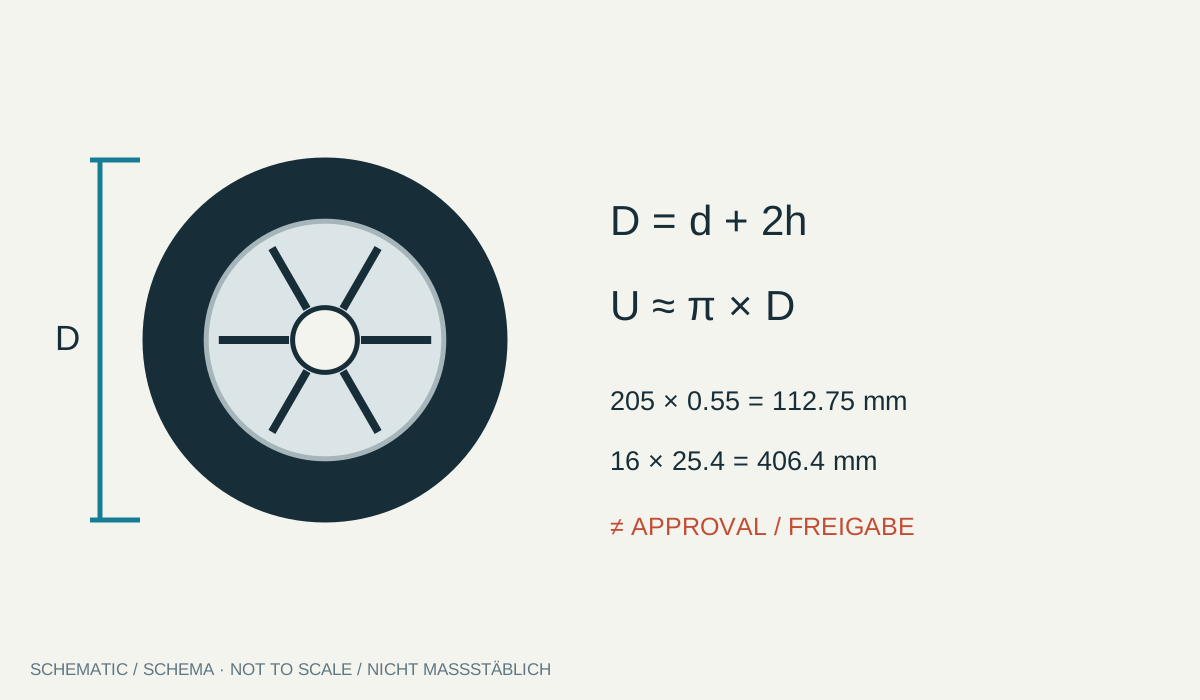
In a specification such as 205/55 R16, 205 is the nominal width in millimetres, 55 is sidewall height expressed as a percentage of width, and 16 is wheel diameter in inches. A simplified calculation gives a sidewall height of 205 multiplied by 0.55, or 112.75 millimetres. The wheel diameter is 16 multiplied by 25.4, or 406.4 millimetres.
Two sidewall heights plus the wheel diameter give a theoretical outside diameter of 631.9 millimetres. Multiplying by pi produces a circumference of approximately 1,985 millimetres. These figures are a calculation example, not a recommendation for any particular car. They describe an ideal circle derived from nominal size markings.
Why this is not the measured rolling circumference
A loaded pneumatic tyre is not a rigid metal ring. It changes shape under vehicle weight, and its effective dimensions depend on construction, pressure and wear among other factors. A simple calculator formula therefore cannot completely replace the tyre manufacturer’s rolling-circumference data. Two tyres with the same size inscription need not have identical real dimensions in every respect.
An online calculator can compare sizes and expose obvious differences. It cannot know the fitted brake package, the available clearance under steering and suspension movement, or conditions in a wheel approval. A green result on screen is not an engineering assessment.
What a similar circumference leaves unanswered
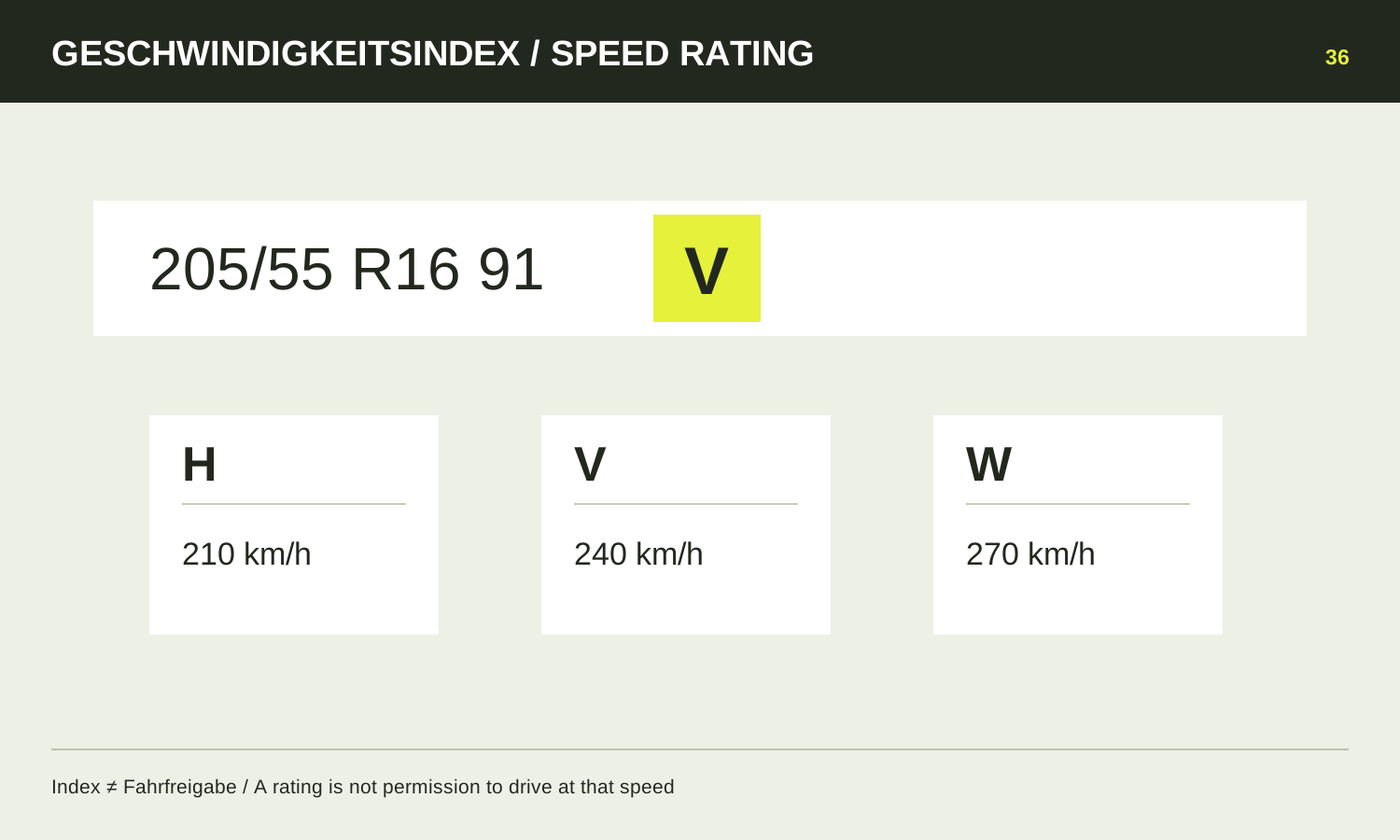
Even with a very similar theoretical circumference, wheel width, offset, load capacity and clearance may be unsuitable. Speedometer behaviour and vehicle control systems also matter. Approved front-and-rear combinations are especially important on staggered fitments; independently calculated alternatives may alter the intended relationship between the axles.
Use the calculation to prepare a question: why does this size differ, and which documents confirm its use? Begin the decision with the CoC, vehicle manufacturer and relevant wheel paperwork. If you want a different combination, involve the inspection organisation before purchasing. A supposedly universal percentage tolerance quoted in a forum does not approve it for your car.