More than a cosmetic defect
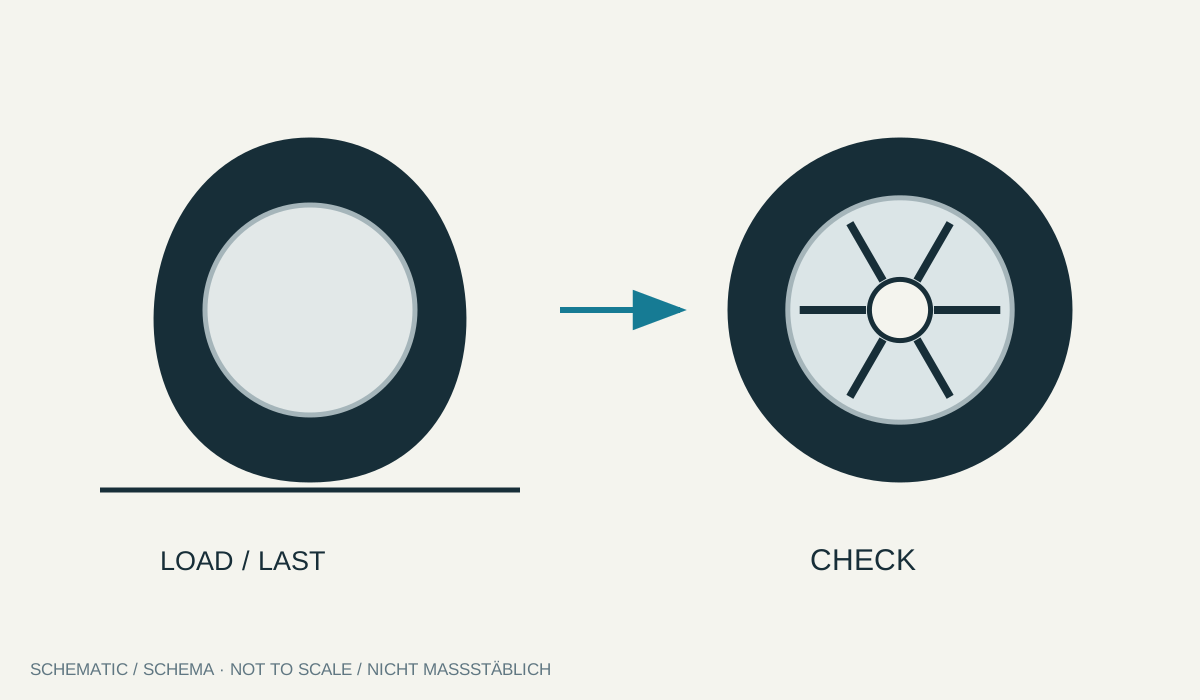
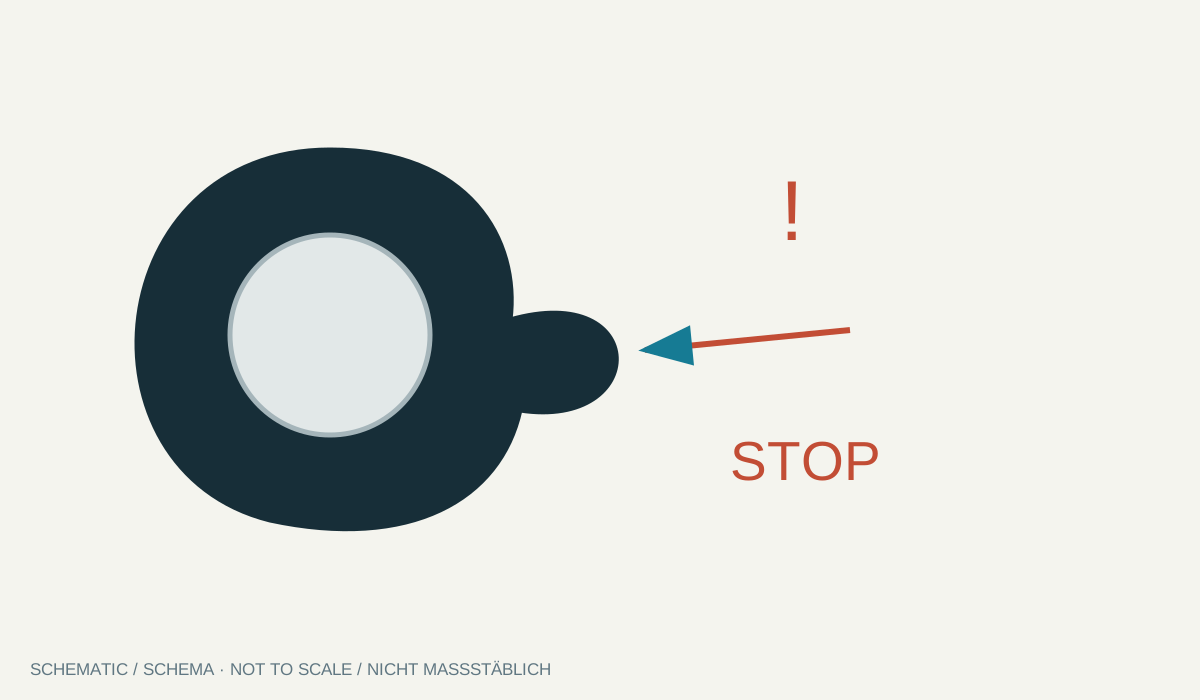
A tyre sidewall flexes with every revolution. Beneath the visible rubber are structural components that contain the internal pressure. Damage to that structure can allow a local swelling. A pronounced outward bulge is therefore a warning even when the tyre still holds air and its tread looks healthy.
Kerbs and potholes can cause this damage. The connection may not be noticed immediately, and a bulge on the inner sidewall is difficult to see during a walk-around. No visible hole and an unchanged pressure display do not provide reassurance. A pressure reading cannot establish structural strength.
Prevent further driving safely
Do not continue using the affected tyre. Stop somewhere safe and arrange roadside assistance or an appropriate replacement solution. If changing a wheel, the location, handbook instructions and available equipment must make the operation suitable. Wanting to reach the next workshop does not make a structurally damaged tyre capable of carrying the car safely.
Do not press, puncture or cut the swelling. Do not release air experimentally to alter its shape. A smaller visible bulge after manipulation would not mean the tyre had been repaired. Assessment and handling belong with a qualified professional.
Not every contour has the same meaning
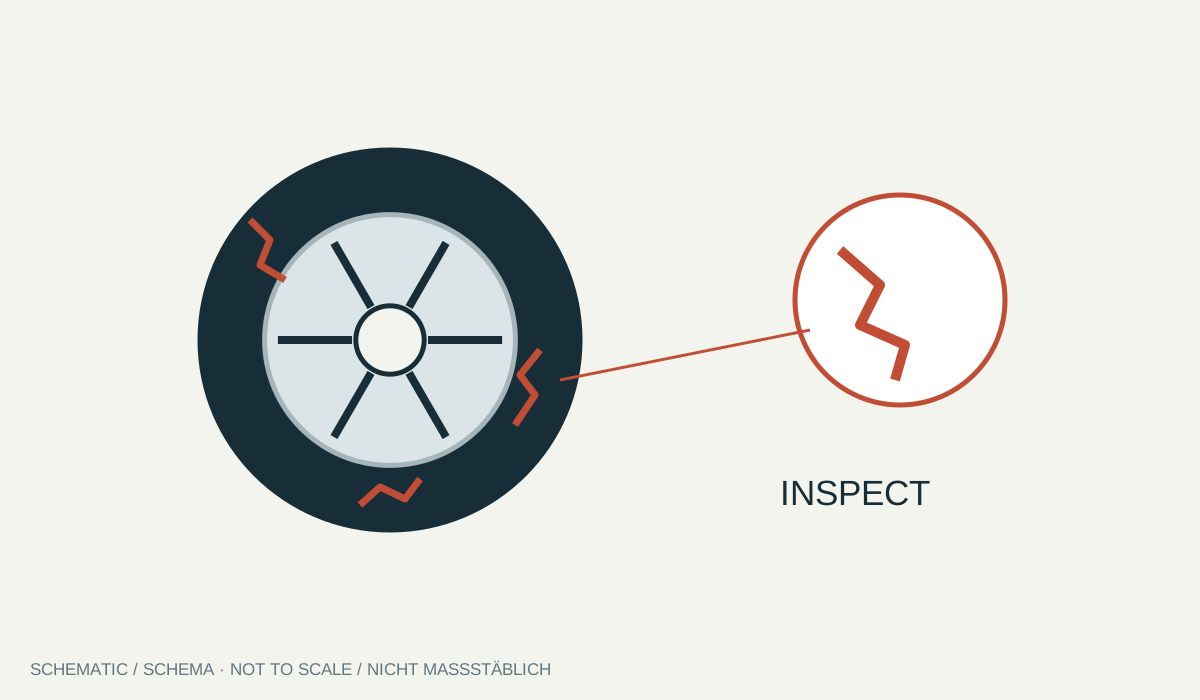
Radial tyres can show slight indentations or contour variations where construction plies overlap. These are different from an outward bulge caused by damaged cords. That distinction must not be turned into permission to drive based on an unclear photograph or an untrained description.
If uncertain what you are seeing, describe its location and appearance to a tyre professional and establish a safe next step. A picture can support the enquiry, but cannot replace examination, especially where the inner sidewall or history is unknown.
Discuss replacement and the cause together
Structural sidewall damage cannot be corrected with an ordinary tread puncture patch. The business needs to replace the tyre and consider whether the impact also affected the wheel or other components. Mention any known impact and changes in vehicle behaviour afterwards.
Replacement selection must account for vehicle approval, tyre specification and the remaining fitment. Keep photographs and incident details if the cause needs to be traced later. Documentation is useful, but must not delay the immediate safe response.