What happens while the car is parked
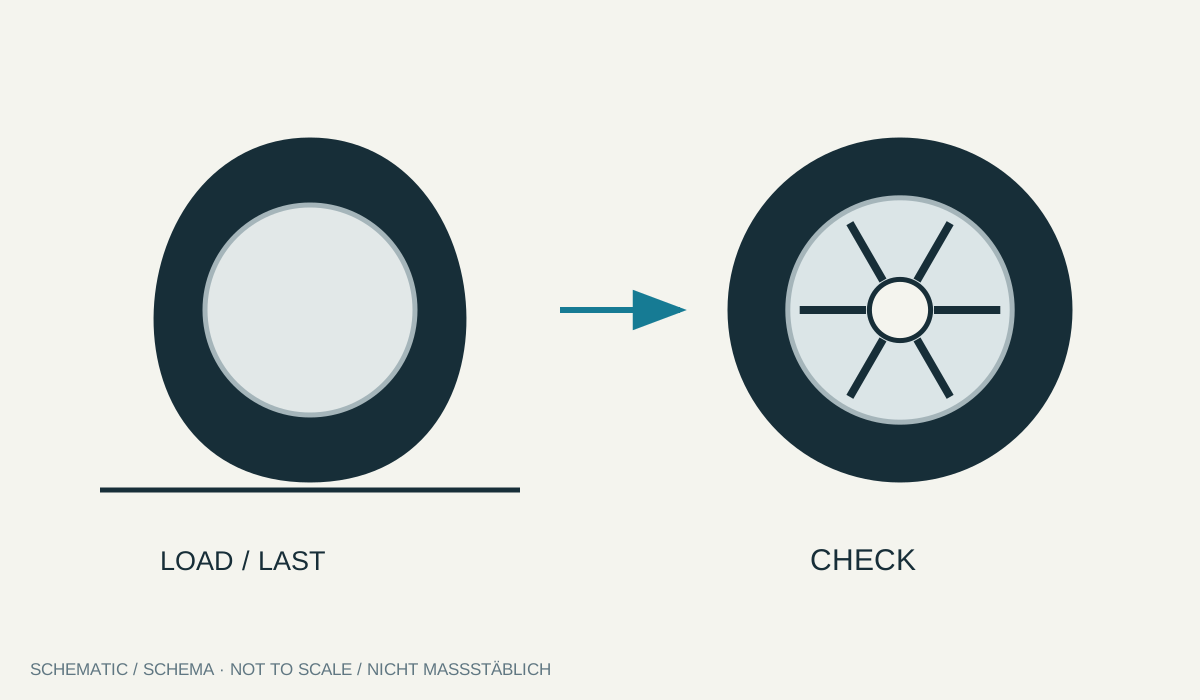
A stationary vehicle loads the same tyre contact area for an extended period. A temporary flattened area can develop. Its severity depends on construction, load, temperature, pressure and standing time among other factors. A car left unused for weeks deserves more attention before its first journey than a glance at the fuel level.
Check cold pressures and visible condition before moving. A monitoring system does not replace this inspection. Do not take a tyre with substantial air loss, cracking or a bulge onto the road simply to warm it up. A long parking period does not automatically explain every abnormal condition.
Temporary and lasting distortion are different
Continental distinguishes temporary flat-spotting from more pronounced lasting deformation. A slight initial disturbance may disappear in normal operation as the tyre regains its shape. This does not diagnose every vibrating vehicle after a break. Other wheel, tyre or suspension problems remain possible.
With strong, new or persistent vibration, end the journey as soon as safely possible and arrange inspection. Do not try to cure it by progressively increasing speed or driving an unusually long distance. Suspecting a harmless explanation is not proof that the tyre is undamaged.
Describe the parking conditions to the workshop
Record how long the vehicle stood, whether it was outdoors or garaged and whether pressures were checked before the break. Explain when the disturbance occurs and whether it changes. Such information is more useful than declaring flat spots before anyone has examined the assembly.
If a wheel set was removed for storage, describe that separately from the car’s standing period. Unloaded stored wheels and tyres carrying vehicle weight are different situations. This helps the workshop decide which tyre and wheel checks are appropriate first.
Prepare for a longer lay-up
Follow the vehicle and tyre manufacturers’ instructions for storage and pressure settings during a planned lay-up. Do not invent an extra pressure allowance or exceed permitted limits. The surface, environment and any supporting equipment must suit the particular situation. Periodic checks during a long pause can reveal gradual air loss.
Before returning to normal use, check and set the specified operating pressures. A record of the parking date, readings and later inspection helps interpret changes. It does not replace examination, but avoids uncertainty about whether a tyre was already abnormal before the vehicle was put away.