Stop safely after the contact
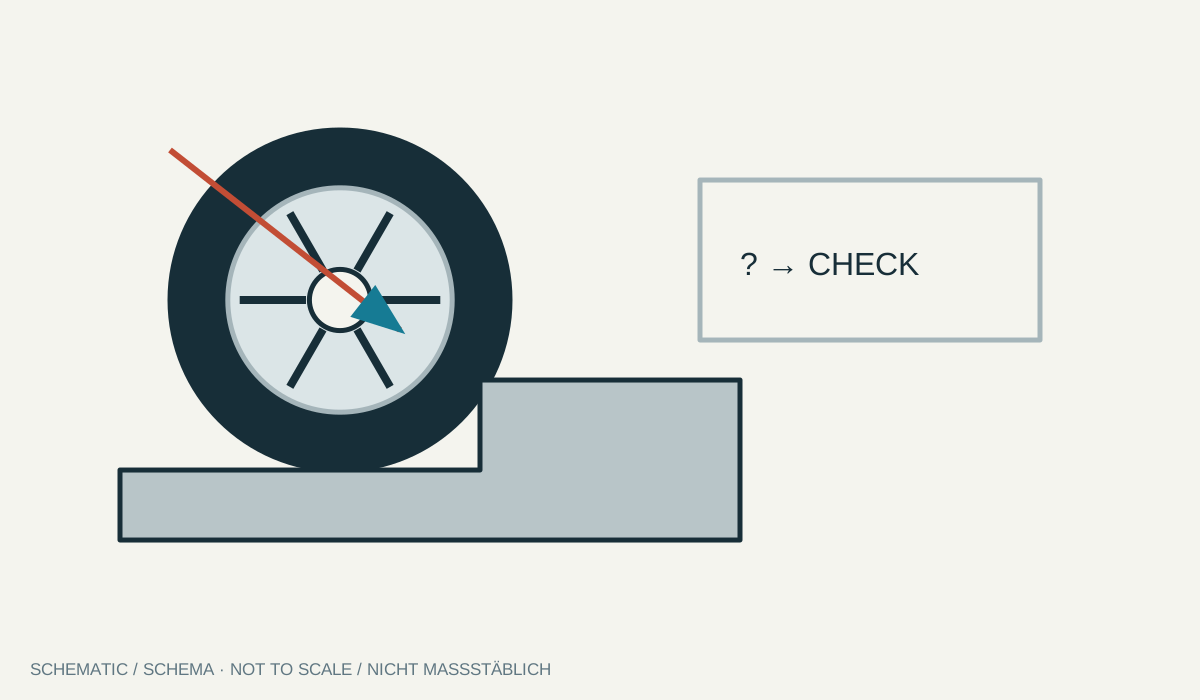
A substantial kerb strike loads the wheel-and-tyre assembly. Its consequences depend on angle, speed and the edge’s shape among other factors. There is no reliable harmless threshold that can be calculated from your memory of the impact. Find a safe place to check and note changed steering, vibration or a pressure warning.
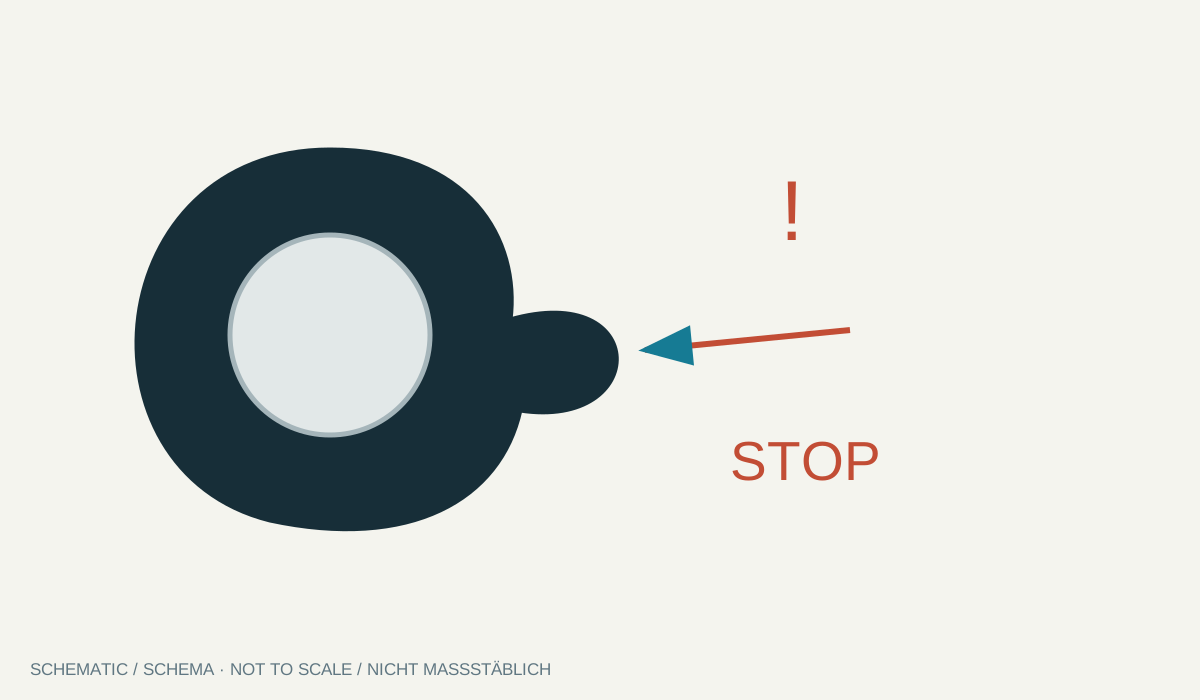
Do not continue with a visibly flat tyre, bulge, deep cuts or unusual handling. Arrange assistance. A nearby workshop is not a reason to road-test possible structural damage. An unchanged pressure display cannot exclude internal injury either.
Describe the areas needing attention
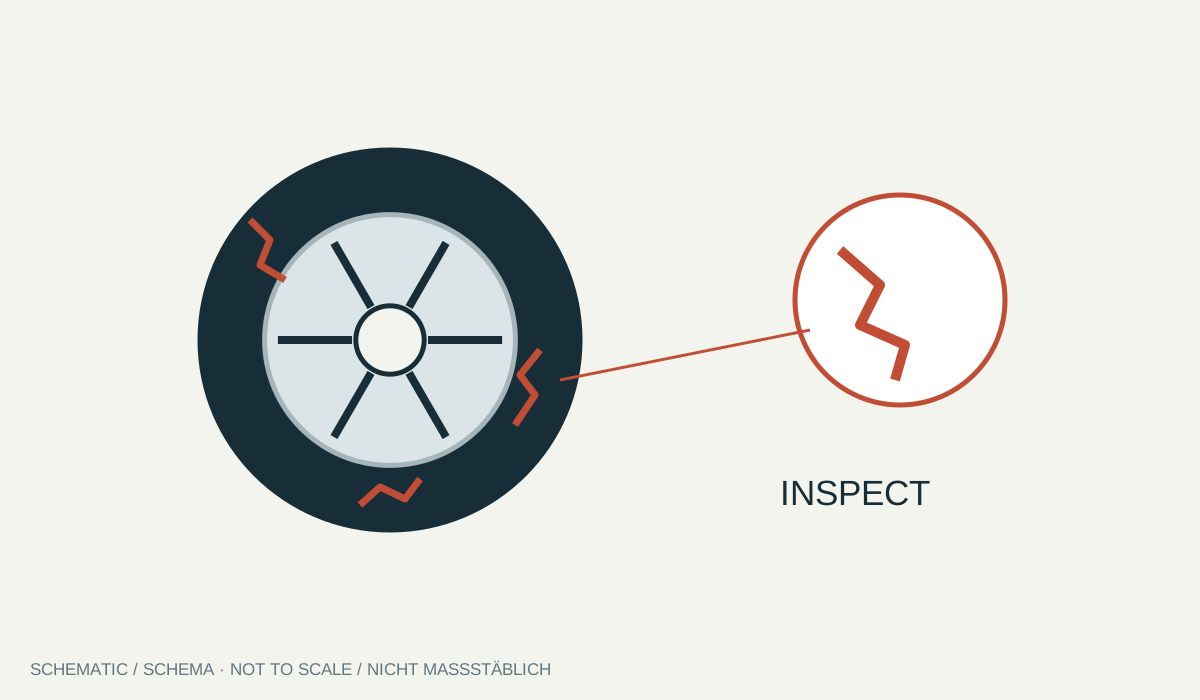
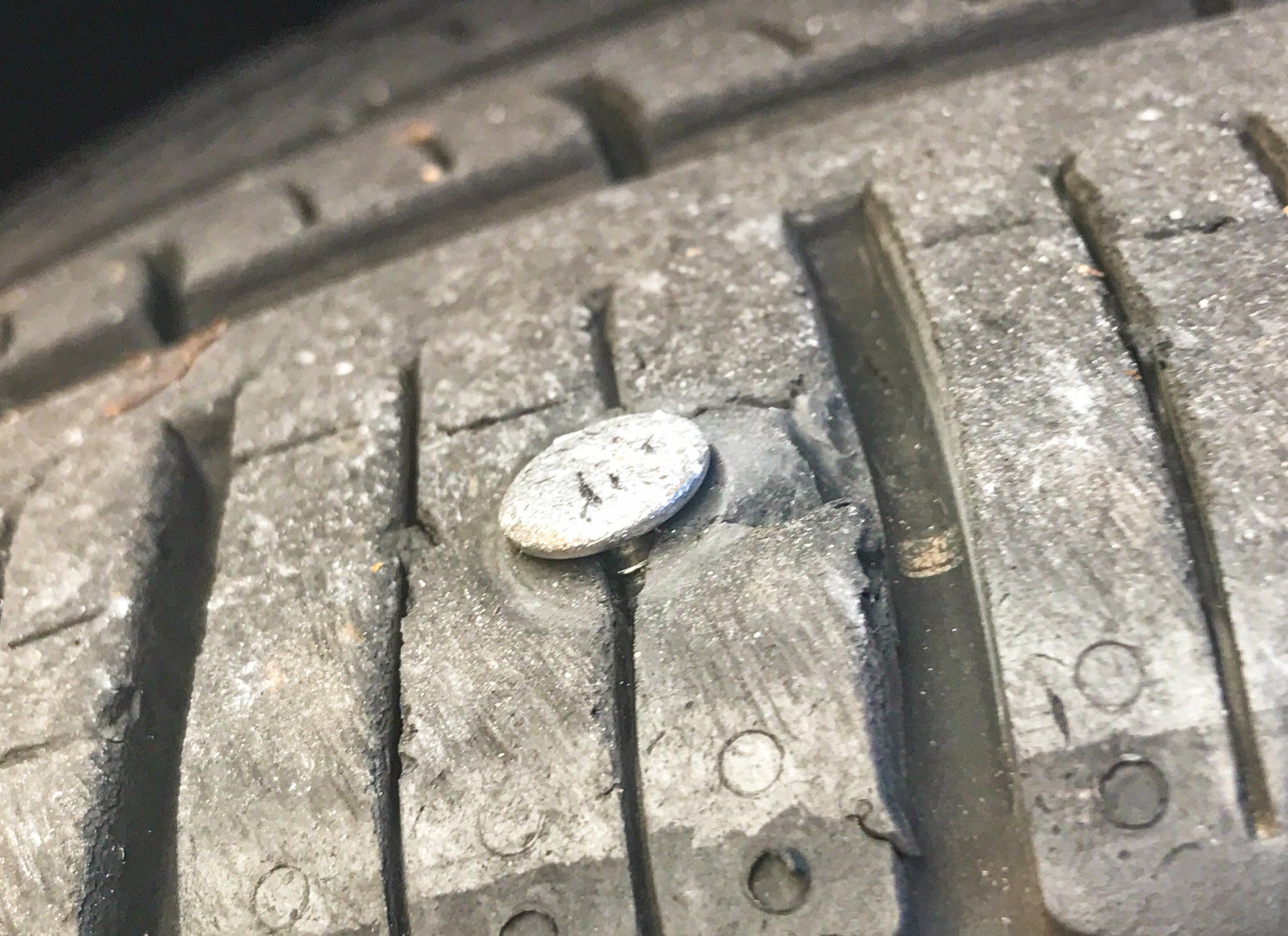
The tyre’s sidewall, shoulder and tread need consideration wherever safely accessible. The inner face can also be affected and remain hidden during an ordinary walk-around. Scuffs on the rim do not reliably establish whether distortion or other damage exists. Professional inspection needs to consider the assembly as a whole.
Alignment may have changed or a suspension component may be affected. This does not mean every light touch automatically requires extensive repairs. It means that just a scratch is an unconfirmed explanation without examination. Describe the event and let the workshop establish the appropriate scope.
Useful information when booking
Identify the side and wheel involved, whether contact was head-on or sideways, and any changes afterwards. Do not supply a precise impact speed if you do not know it. Photographs can help preparation, but cannot replace findings from an examination.
Explicitly mention pulling or a steering wheel that now sits differently while travelling straight. These observations can justify suspension and alignment checks. Never try to correct the condition by repeating an impact on the opposite side. Damage cannot be reversed in a controlled way through another collision.
After the appointment
Ask for the findings to be explained separately for tyre, wheel and any suspension work. Establish whether another pressure or condition check is recommended. Keep an alignment report if one was produced, and ensure replacement components suit the approved fitment.
Renewed noise, air loss or a developing swelling after the event deserves attention even if an earlier visual check was uneventful. Record the timing and observation. An early inspection and a later change can both be real; the earlier check is not unlimited reassurance.