The visible head does not reveal the whole injury
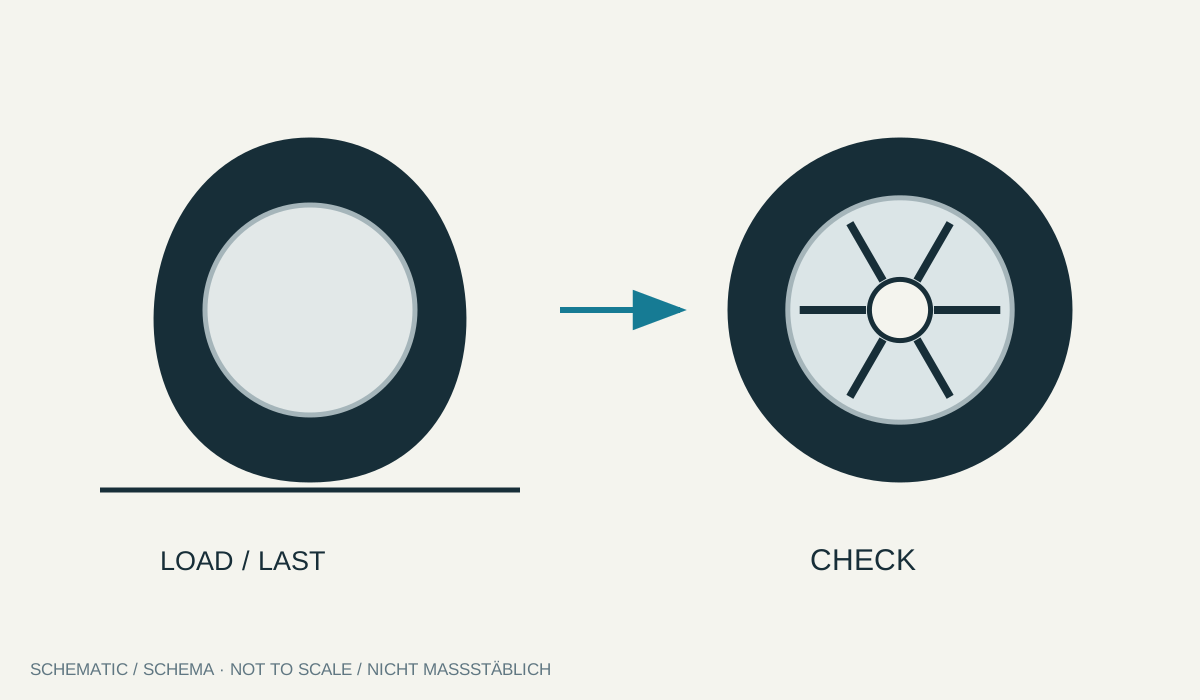
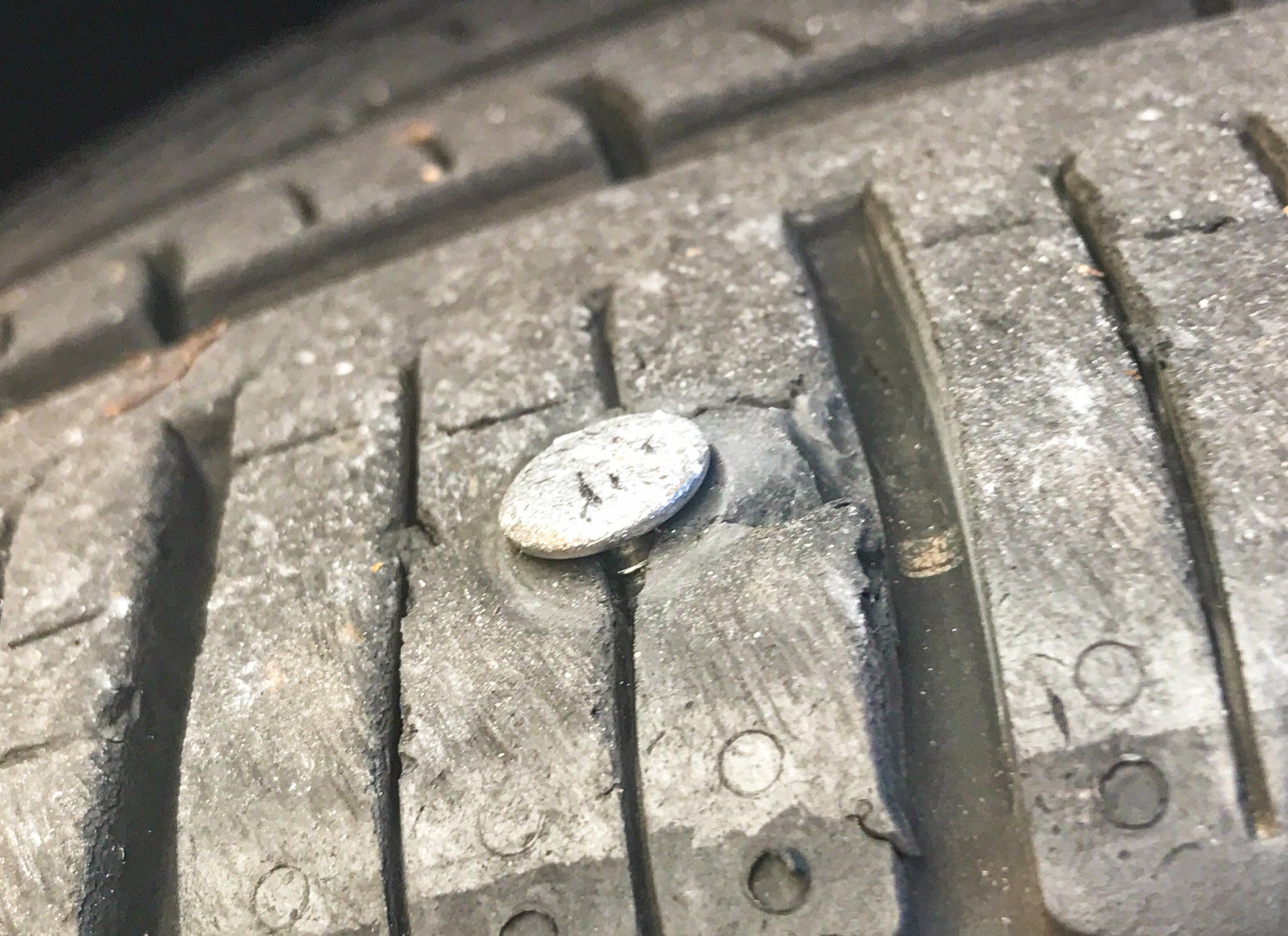
A screw between tread blocks can look minor, especially if the tyre is not visibly losing air. From outside, however, its depth and entry angle are unknown. The internal condition cannot be inferred either. A normal-looking tyre may already have a leak or damage.
Do not extract the object to investigate. It may partly seal the hole, so removing it can accelerate air loss. Photograph its position and obtain advice on getting the vehicle or wheel examined safely. An improvised attempt can also complicate later assessment.
Pressure loss and history matter
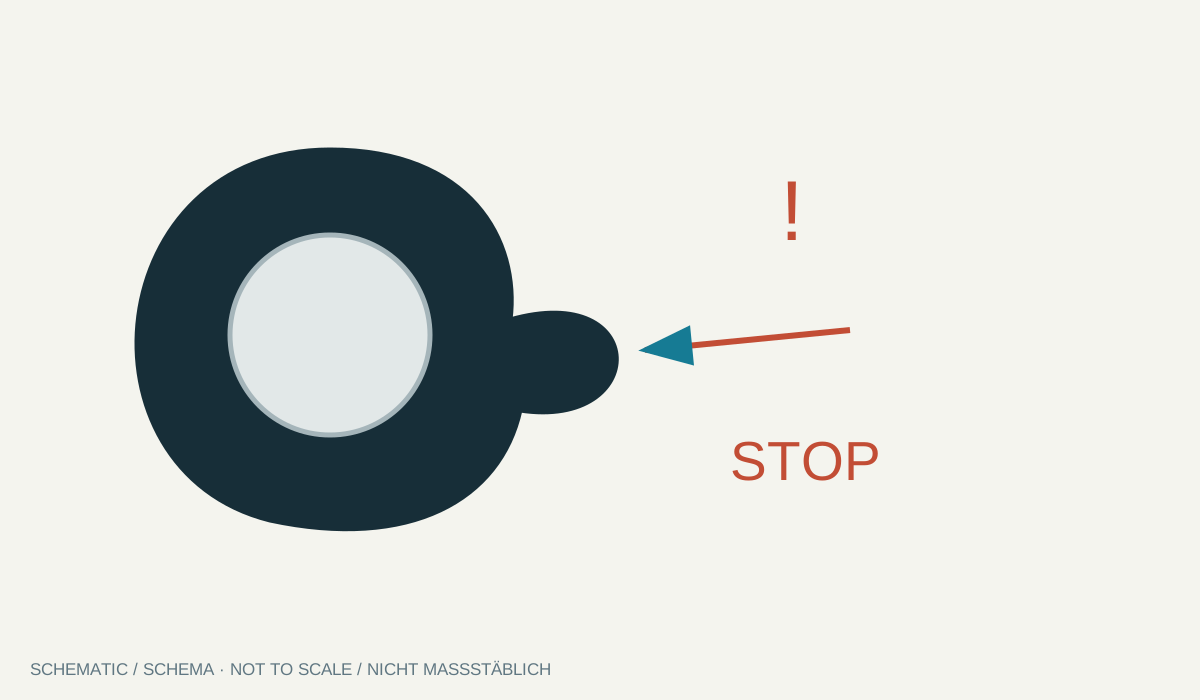
Do not continue with markedly low pressure, a warning accompanied by changed handling or a visibly flat tyre. Stop safely and arrange assistance. Driving underinflated can already have damaged the inside, even if air is added afterwards. A restored gauge reading does not prove an undamaged casing.
Tell the workshop when the object was found, whether warnings appeared and how far the vehicle travelled afterwards. Report any use of tyre sealant as well. The product, timing and method can matter during removal and assessment. Do not hide a temporary treatment because you worry it might complicate a repair.
Repairability is a case-specific decision
Location, size and type of injury, tyre construction and internal condition determine whether repair is permitted and technically appropriate. Manufacturer instructions and applicable rules also matter. Nails can always be patched is therefore as misleading as assuming that every visible screw creates the same damage.
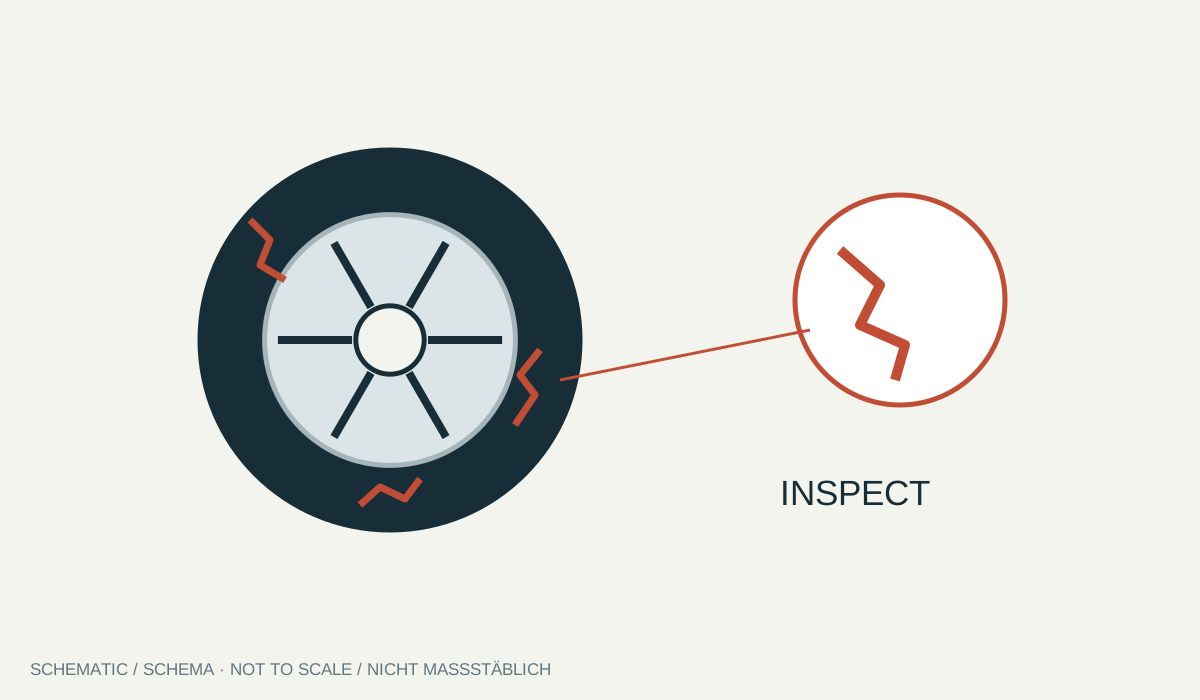
The business may need to remove the tyre from the wheel and inspect its interior before deciding. Sidewall or structural damage is not equivalent to an ordinary tread puncture. An externally inserted plug or sealant is not proof of a completed professional permanent repair.
What to establish at collection
Ask whether the tyre was repaired or replaced, what was found and which follow-up check is recommended. The invoice should identify the work clearly. A replacement must also form a suitable combination with the remaining tyres.
Continue normal pressure checks after servicing. Renewed loss needs attention rather than being accepted as an inevitable consequence of the old puncture. The aim is a suitable airtight wheel-and-tyre assembly, not merely the disappearance of the foreign object.