A number without an application is incomplete
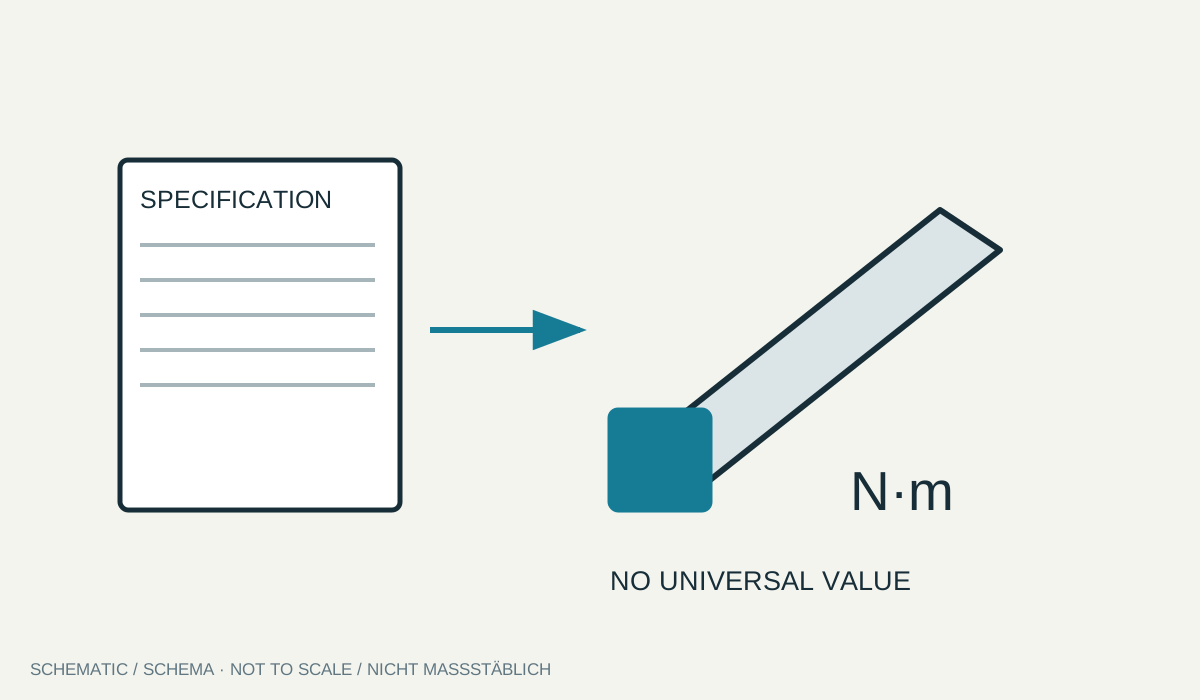
Seasonal wheel changes often prompt a request for one tightening figure. A useful answer must identify the vehicle, wheel and fasteners to which it applies. Torque forms part of an installation procedure. Without that context, an accurately read number may still be wrong for the assembly. A claim that one car brand always uses the same value is too broad.
Start with the vehicle handbook or manufacturer’s technical instructions. Aftermarket wheels add their approval and fitting documents. Identify the precise wheel type and prescribed hardware. Do not transfer instructions from a similar design or another model year without checking. If the information conflicts, resolve which instruction applies to the complete combination before beginning work.
Make the enquiry complete
Give the business the vehicle type and variant, wheel manufacturer and model, and the bolts or nuts being used. Mention special components such as approved spacers. Request the torque together with installation conditions and any subsequent check. This produces more than an isolated number that might later be reused accidentally on a different set.
A written answer should make its application recognisable. Keep the source and information date with the wheel paperwork. If the set later moves to another vehicle, the previous figure does not automatically transfer. A value stuck to a toolbox is not a universal rule for every car serviced with that tool.
Why installation conditions matter
Tightening creates preload in the joint. The relationship between applied torque and resulting clamping force depends partly on friction. Do not therefore add oil, grease or other products to threads and seats unless expressly instructed. A dry specification and an independently lubricated connection do not have the same starting conditions.
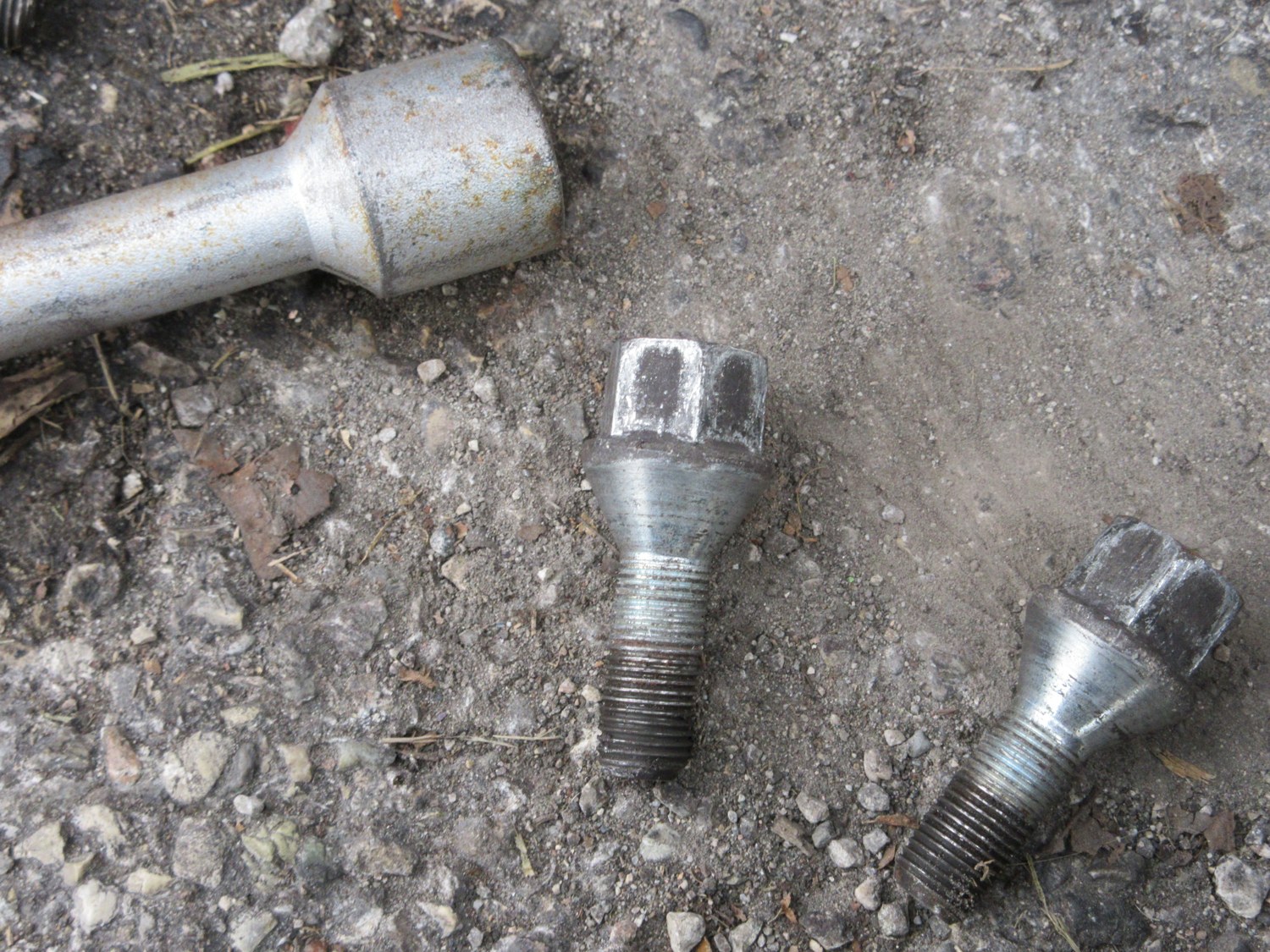
Clean, undamaged contact surfaces and correct fasteners matter as well. A torque wrench cannot correct a wrong seat, damaged thread or dirt between wheel and hub. Reaching the desired indication is only one part of checking the installation. If a component does not sit as intended, resolve the cause instead of forcing the number with extra effort.
Check the tool and units deliberately
Use a functioning tool suitable for the required range. Read its units carefully: newton metres and other torque units are different specifications. Clear setting is especially important where a scale carries several units. Follow the tool instructions for operation, verification and storage rather than assuming that more decimal places mean greater accuracy.
An impact wrench does not automatically replace the specified controlled final tightening. A long lever used by feel does not establish a measured torque either. Misunderstanding a tool’s release signal or continuing afterwards can leave the connection different from the intended setting. Anyone unfamiliar with the procedure should have a qualified business fit the wheels.
Agree the follow-up check specifically
Some mounting instructions require another fastening check after a period of use. Do not adopt an arbitrary mileage for this. The applicable instruction defines timing and method. Have the business explain what is checked and who will do it, then record the arrangement on the order or in a maintenance note.
A recheck does not mean repeatedly tightening harder as a precaution. Assess the connection using the prescribed process. With unusual noise, severe vibration or suspected loose fastening, do not wait for the scheduled appointment. Stop safely, avoid further driving and arrange professional help. A possible immediate fault takes priority over the ordinary maintenance schedule.
Preserve the context for the next change
Keep the specification with the matching wheel set. If summer and winter wheels use different hardware, identify both clearly. Remove or mark obsolete information after changes rather than retaining conflicting notes together. This prevents correctly researched information being applied to the wrong wheel later.
The objective is not the highest possible torque, but a correctly assembled connection with its intended clamping action. Parts, condition, method and specification must agree. A figure from the right source helps only when applied within that complete context.