Identify the particular set
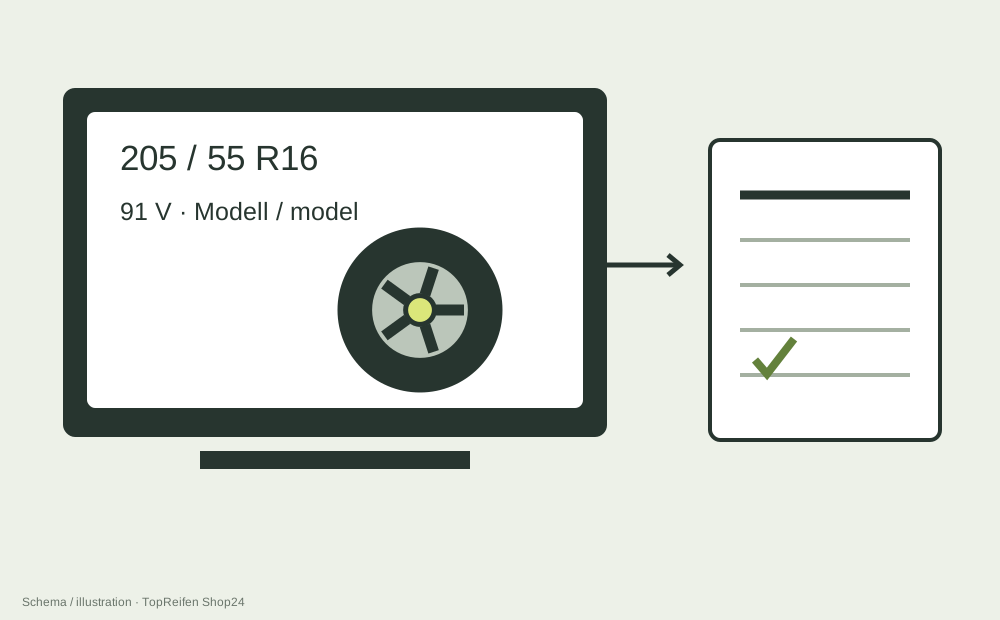
Create a separate entry for each tyre set. Record the vehicle, date, odometer reading, tyre manufacturer, model and complete size with the relevant markings. Front and rear axles may have different specifications. Write those differences down rather than quietly treating one entry as a description of all four wheels.
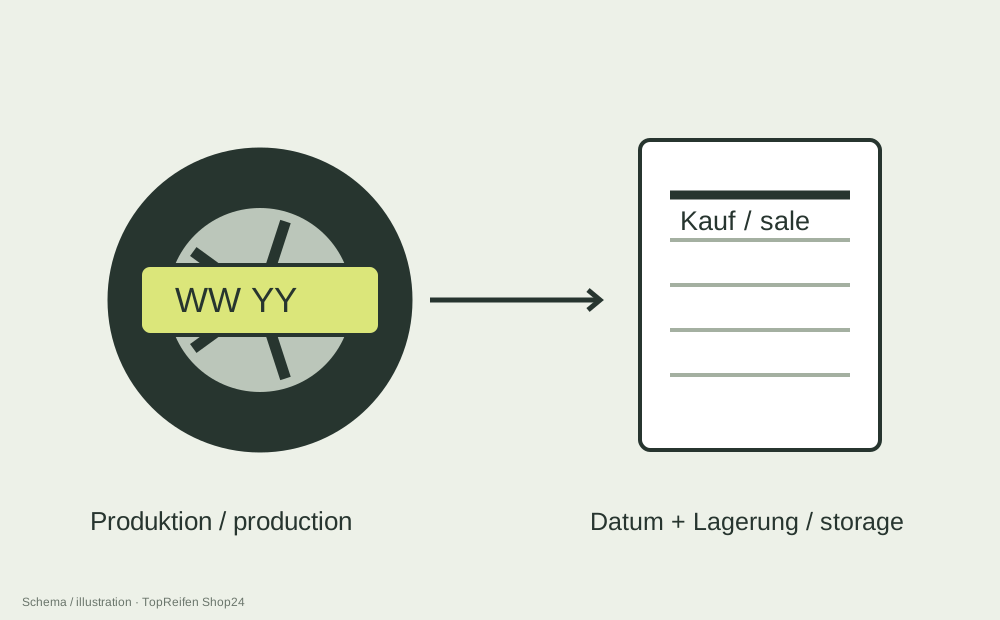
Add the readable manufacturing markings and keep the invoice with the record. Manufacture, purchase and fitting dates are different pieces of information. Leave an unknown date blank. An estimate that is not labelled as uncertain makes the record less dependable.
For a second complete wheel set, include the wheel identification and associated documents in the same folder. A name such as “winter wheels” is sufficient only while there is no similar set to confuse it with. A photograph of the complete set and readable close-ups of its markings provide a clearer connection.
Record observations with their conditions
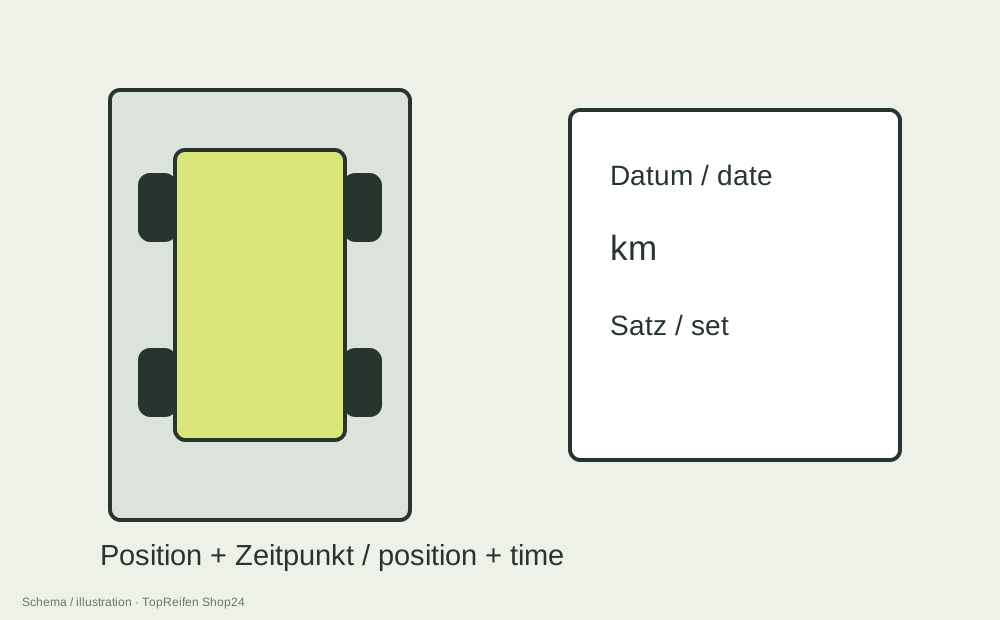
Write measurements alongside their locations and measuring conditions. Wheel position helps interpret tread-depth readings; a pressure record should indicate whether the check happened before driving. Do not simply copy a number from the previous appointment. A blank field is more honest than a value that was never measured again.
Describe anything unusual without guessing the diagnosis. “Right rear pressure lower again” is an observation. “Faulty valve” is already a conclusion requiring investigation. After a workshop visit, add the actual findings and work completed. This keeps your own notes distinguishable from professional assessment.
Keep dates and identifiers with photographs. Make sure the picture actually shows the location described in the entry. A similar photograph of another wheel is of little help when comparing changes later. If a close-up makes the location unclear, retain a wider view alongside it.
Continue the record at the next change
At the next changeover, add the odometer reading, condition and new storage location. If only part of the set has been replaced, identify which tyres remain. Keep previous entries instead of overwriting them. That makes a change traceable without depending on memory.
Store the documents somewhere you can find before the following appointment. A simple spreadsheet or note file is enough; a dedicated app is not essential. The record supports maintenance and later questions, but does not replace a fresh condition check or proof that a wheel-and-tyre combination is approved for the vehicle.