Production is not purchase
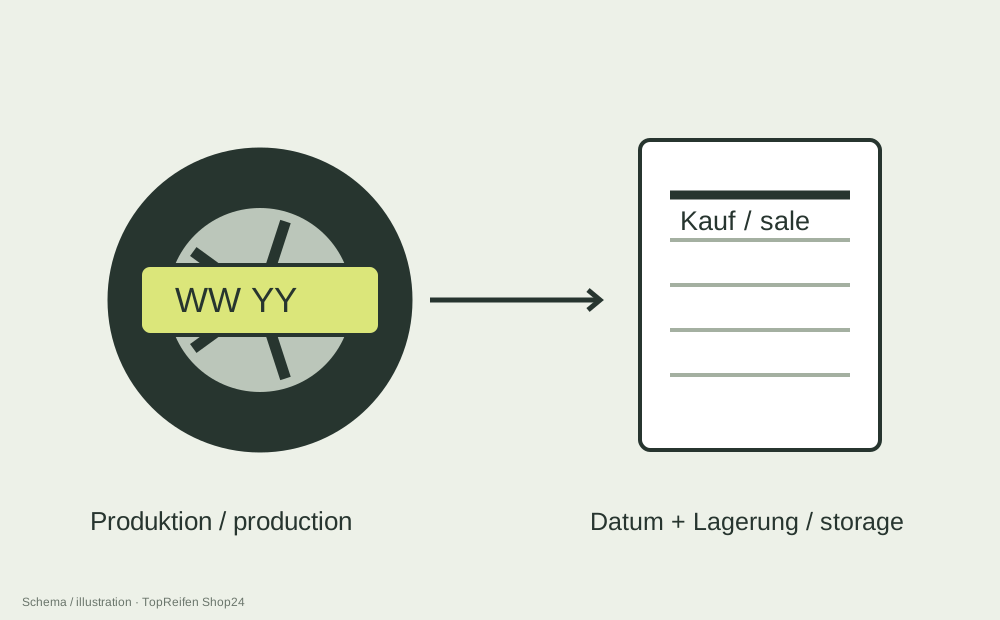
A tyre is manufactured before it is sold, and storage may occur before fitting. A date preceding the current month or calendar year is therefore not inherently unusual. Establish whether an offer meets your expectations through clear information and professional assessment, rather than assuming all new goods must have just left the factory.
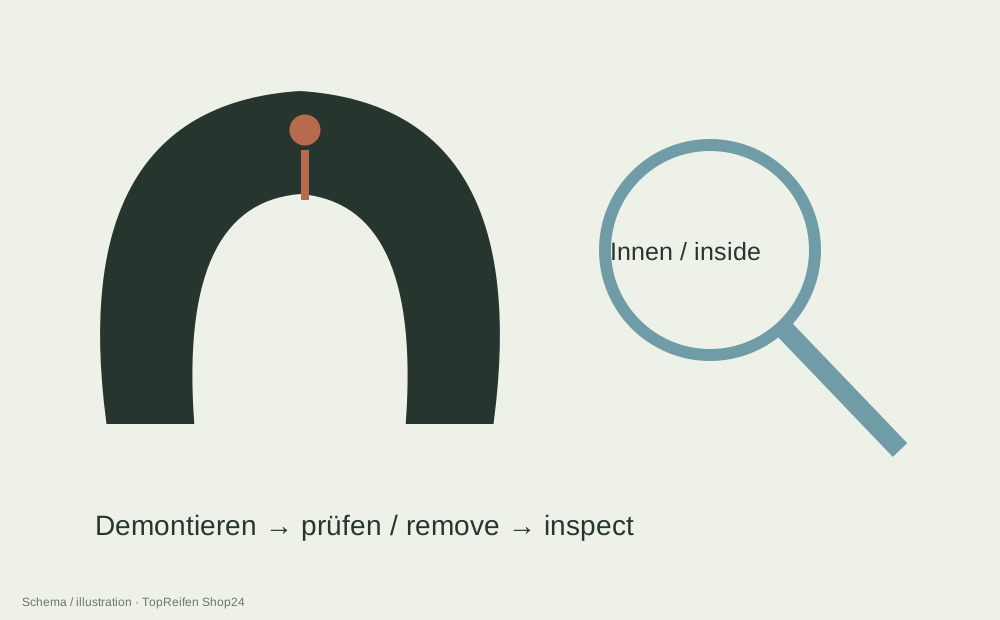
Read the relevant marking completely and ask for an explanation if uncertain. Similar numbers elsewhere can cause confusion. For a set, establish the details of every tyre. Differences are observations; they do not automatically prove a defect or its cause.
Agree important expectations beforehand
If a particular manufacturing period matters to you, ask for a clear statement or agreement before ordering. A documented arrangement is easier to resolve than an unspoken expectation. Keep it with the quotation and compare the delivery before mounting.
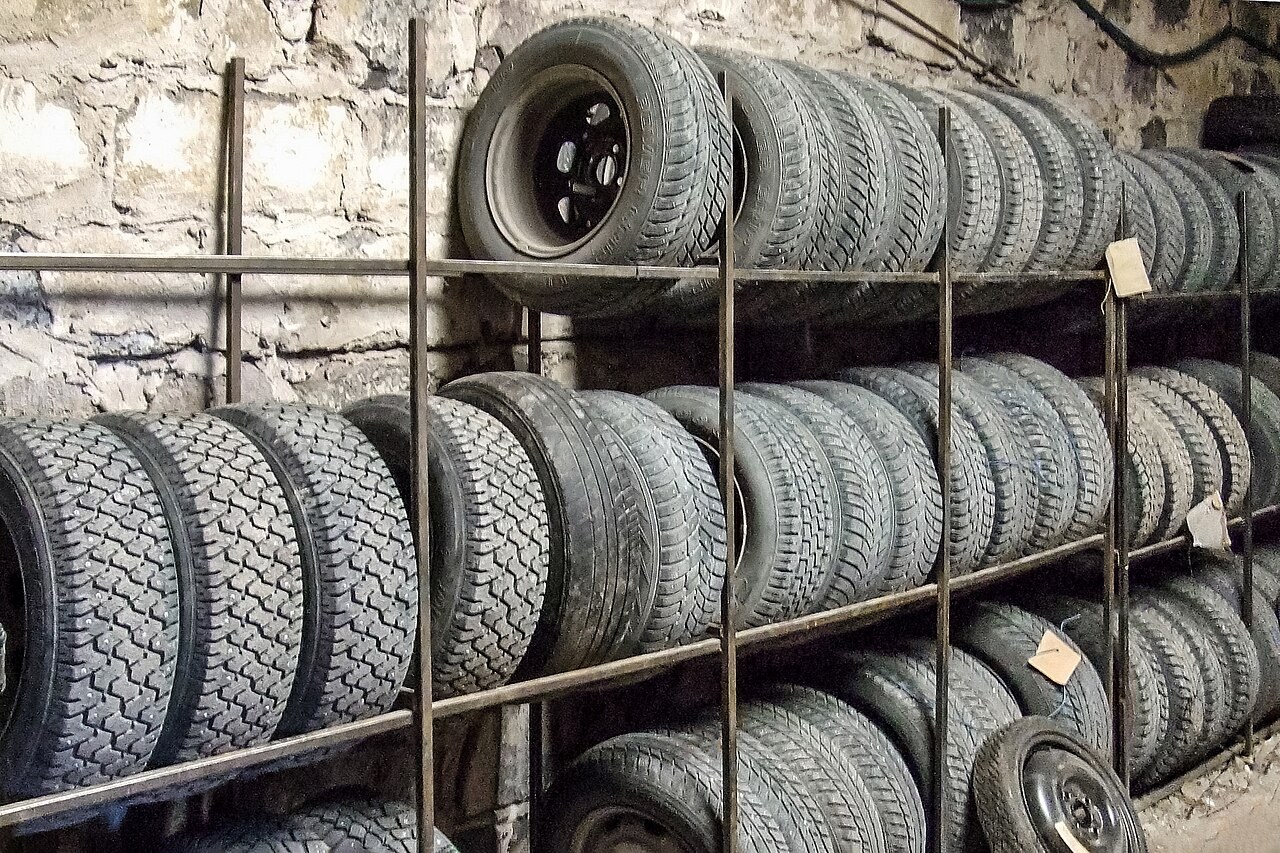
Ask how the goods were stored and who handles questions about condition. A newer date alone does not prove good storage, while an older date does not describe every storage circumstance. Visible condition, professional assessment and manufacturer information belong in the evaluation. Different tyre categories and applications may have different relevant requirements.
Include the intended use
A low-mileage driver may consider production date differently from someone who wears a set out quickly through high annual mileage. That is a planning issue, not a universal age approval. Rarely used tyres can change while still appearing to have deep tread, so replacement decisions should not rely only on mileage.
Seasonal tyres spend part of their life off the car. Record manufacturing information, purchase date and first use together. That makes it easier to understand how long the set has existed and how it was used. A label showing only the most recent fitting year may leave that history incomplete.
Respond factually to a discrepancy
If delivery differs from an explicit agreement, document the codes and contact the seller before fitting. Ask how the matter should proceed. Avoid using goods while their agreed characteristics remain unresolved. Any particular entitlement depends on the agreement and circumstances.
At the same time, do not let an appealing date distract from other requirements. Incorrect size, unsuitable construction and visible damage remain important. An orderly purchase first establishes that the tyre suits the vehicle and use, then treats manufacturing date as another traceable part of that decision. Keeping those questions separate prevents a single recent-looking number from becoming a substitute for checking the complete product.