Establish safety first
Rapid air loss, visible damage or unusual handling makes a safe stop the first priority. Driving underinflated can create additional damage. A small object visible in the tread therefore does not prove that the whole problem is small and easily resolved.
Do not casually pull out an object that may currently seal a puncture. Record what can be seen from a safe position and arrange professional advice. The aim is not to obtain a repair at any cost, but to determine whether further use is appropriate.
What an external photograph misses
A photograph can document the location of a visible injury. It does not fully reveal what has happened inside the tyre. Previous running with inadequate pressure may have placed additional stress on it, for example. The complete extent of an injury may also be hidden from outside.
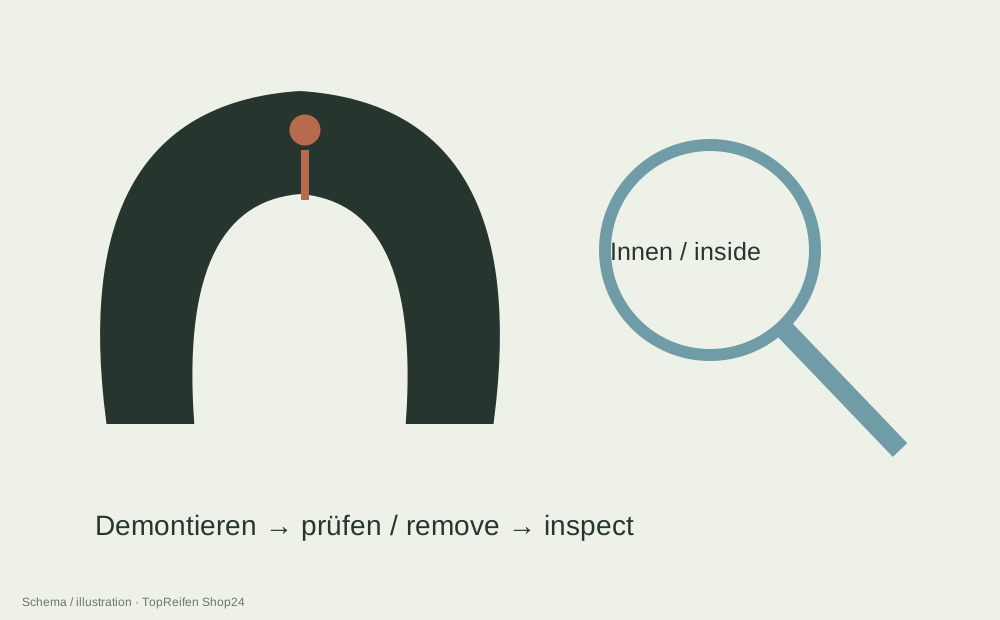
A professional decision may therefore require removal and internal inspection. Ask what examination is proposed and which criteria the business uses. Tyre type, construction, injury and manufacturer policy can all affect the outcome. A general hole-size figure does not create automatic permission to repair.
Sidewall, shoulder and tread perform different functions and experience different loads. Damage outside an appropriate repair area should not be treated like a simple small tread puncture. A bulge or visible structural injury is not an invitation to apply sealant from outside. Limits must be assessed against the actual findings.
Provide the full history
Say whether a pressure warning occurred, how far the car travelled afterwards and whether the tyre was visibly deflated at any point. If the distance is uncertain, say so. Inventing a short distance does not help. Significant impacts, earlier repairs and any sealant already used also belong in the account.
These details are part of technical assessment rather than an exercise in assigning blame. The workshop needs to know what deserves particular attention. A tyre that initially holds air after inflation may still need investigation. Airtightness and structural integrity are not identical.
Separate temporary mobility from completed repair
A puncture kit or another temporary measure may permit limited mobility under specified conditions. That does not establish a permanent repair. Follow the exact instructions and then have the next step assessed. Tell the workshop which product was used.
An externally applied solution also does not automatically replace internal examination needed for a lasting assessment. This article therefore does not provide a home-repair procedure. Permissible and suitable methods belong with a qualified business that has the necessary information.
Separate inspection from authorising repair
At drop-off, establish whether the instruction is initially for inspection alone or authorises repair within clear limits. Removing a tyre for assessment may involve work even if replacement is subsequently necessary. Make that possibility explicit. It prevents an unsuccessful repair assessment being mistaken for a situation in which no professional work has yet been performed.
If a decision requires contacting you, agree a reliable method. When replacement is proposed, ask for the exact specification and complete scope of work. A rushed change to another construction is not a neutral default simply because the original specification is unavailable from stock.
For a second opinion, pass on the documented findings and history. The purpose is not to keep asking different businesses until one promises the preferred repair. Different conclusions should be explainable using the same underlying information. That makes a further assessment more useful than presenting each workshop with a shortened account of the puncture.
Keep the decision traceable
If repair is appropriate, obtain a record of the work and associated instructions. If replacement is necessary, ask why and discuss a suitable replacement specification. The condition and suitability of the remaining set should also be considered, particularly where only one tyre will be replaced.
Keep the invoice and findings. They identify the affected tyre and what was examined if questions arise later. A sound assessment may lead either to repair or replacement. The important point is not the preferred outcome but whether the decision reflects the actual injury and the tyre's limitations. That is more dependable than accepting a promise based solely on the visible size of an object in the tread.