Ask who accepts them
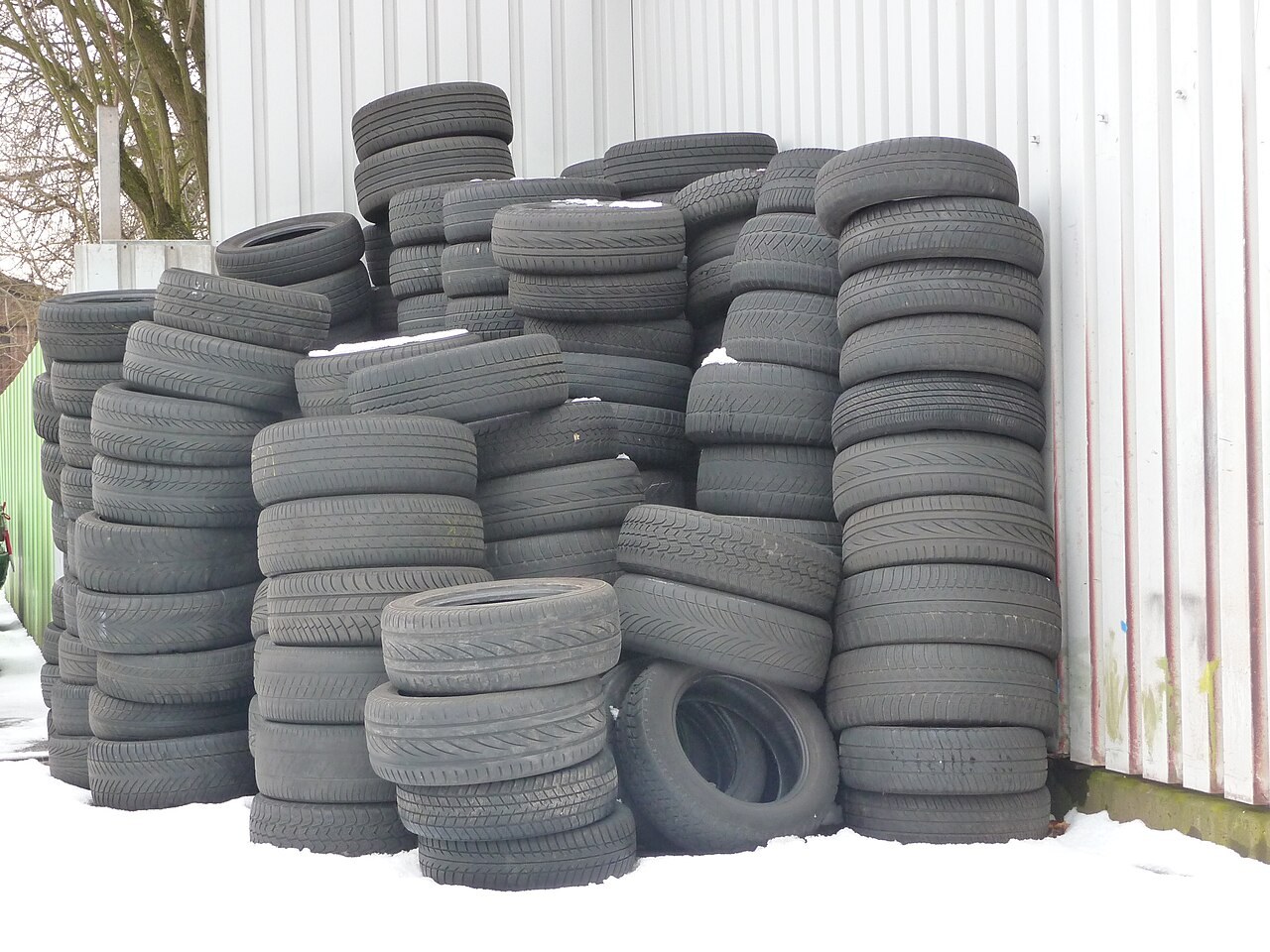
A tyre workshop, waste business or locally designated collection point may be appropriate, depending on the local service. Not every site accepts tyres, and conditions vary. Check current information from the municipality or the particular business. General advice for another town may be of limited use.
Give the quantity and type of tyres and say whether rims are fitted. Complete wheels may be handled differently from loose tyres. Mention unusual sizes or larger quantities beforehand. This avoids a journey ending with the load being refused.
Include disposal in a new purchase
When old tyres are removed during fitting, disposal can often be part of the workshop job. Have the service and price stated explicitly. A fitting charge does not automatically include every disposal service. Equally, there is no need to arrange another collection if the workshop is handling the agreed disposal.
Establish before work begins which tyres are to be surrendered. During an unresolved complaint or further technical assessment, premature disposal may remove important evidence. First decide what must be inspected or retained, then agree the next destination.
Transport safely
Restrain tyres and wheels against rolling and sliding. A short journey does not justify loose heavy items inside the cabin. Follow vehicle loading instructions and preserve visibility and safe passenger seating. Dirty tyres may be covered, but a cover is not a substitute for load restraint.
Use the agreed opening and acceptance hours. Leaving tyres outside a closed gate is not a completed handover. If nobody can accept them, take the load away and arrange a suitable time. Abandoned tyres can create problems for the business and other people.
Do not force an unsuitable second use
A tyre no longer suitable for road use should not be passed on as a usable second-hand tyre without clear information. Decorative reuse is not automatically a sensible destination for every quantity either. Organised disposal accounts for materials and treatment that cannot be handled appropriately in ordinary household rubbish or the environment.
Burning or dumping tyres is not an alternative to proper collection. Retain a receipt where useful, particularly when disposal forms part of a larger workshop job. It records what was accepted and charged for. At the next replacement, that information can help include disposal from the start rather than leaving the removed set as an unresolved item in storage.