Identify what was supplied
Check that brand, model, size and quantity can be established. Special versions should be identifiable from the invoice or accompanying documents. A generic entry for four tyres gives little detail for later enquiries. Resolve uncertainty promptly while the order remains easy for the business to locate.
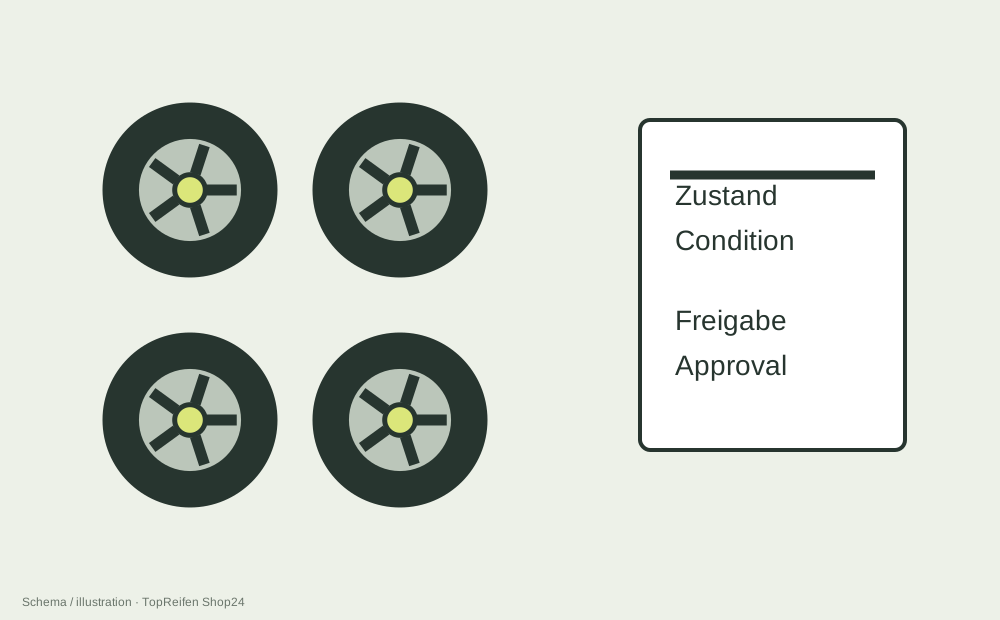
For complete wheels, include the rims and agreed sensors or other components. The invoice need not explain every technical relationship, but it should show what was supplied and charged for. Keep required wheel approval documents separately too; a receipt does not replace technical approval.
Connect purchase with fitting
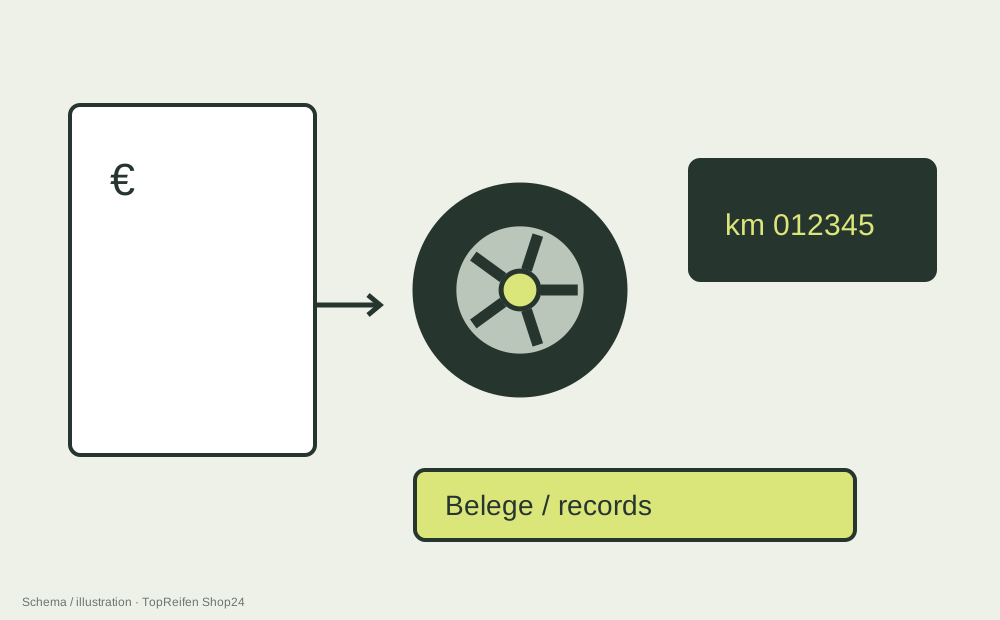
Buying tyres online and having them fitted elsewhere produces separate records. Store both with a clear link. Date, odometer reading and affected wheel positions can help reconstruct use later. If only two tyres were replaced, the record should not imply that the complete set became new that day.
Photograph relevant markings where useful while they are accessible. Images need to be readable and linked to the correct tyre. Avoid collecting many similar photographs without identification. A short filename with date and position is often more useful than a large unorganised gallery.
Use the information later
For a complaint, the records identify the specification and timing of work. For replacement, they help establish the previous model. Accurate product details may also assist an enquiry about a recall. A brand name alone usually describes too little.
Records can show additional work already performed, such as sensor servicing or suspension assessment. That does not mean the job will never be needed again. It provides a traceable starting point for the next professional decision.
Keep the system simple
Store invoices, product details and important findings in a folder for each vehicle or wheel set. Back up digital copies so that changing phones does not lose them. Avoid exposing personal details unnecessarily in publicly shared photographs. A specific crop containing relevant information is often enough for an enquiry.
When selling the car, consider which documents the next owner needs and which personal information should be removed first. Technical records may be especially important when wheels are sold separately. Clear filing therefore helps everyday identification and later maintenance, not only possible disputes. Someone sharing responsibility for the car should know where the records are kept so that an urgent replacement does not depend on one person's availability.