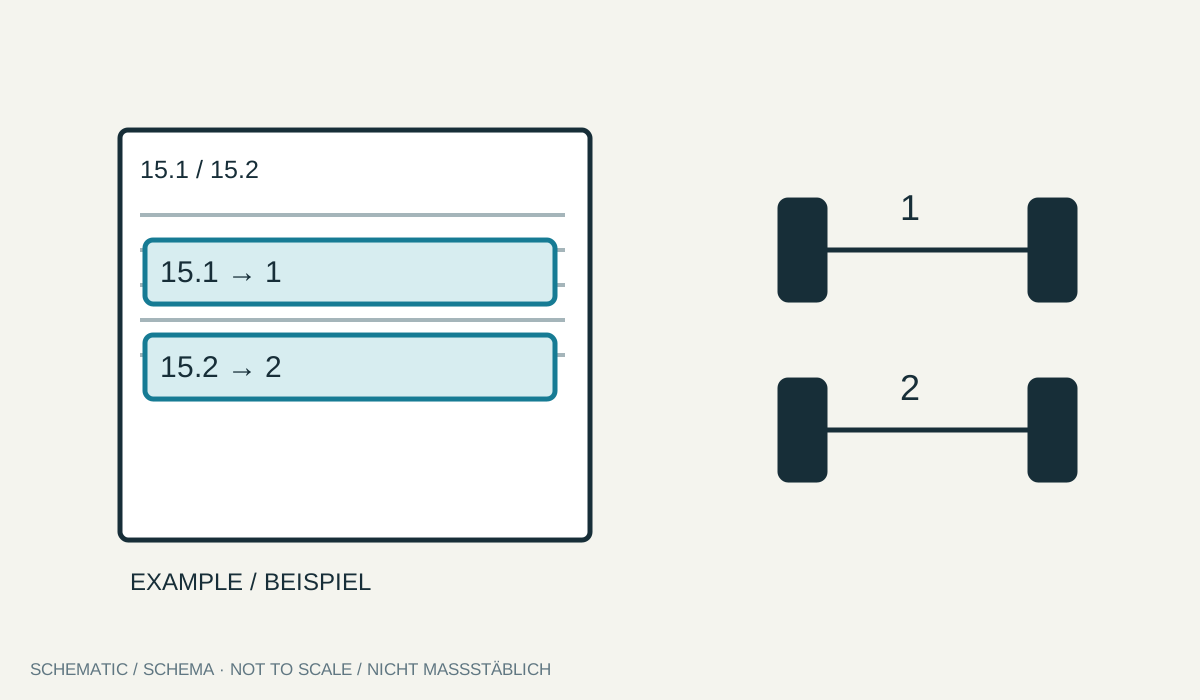
Read the two axles separately
On a German Zulassungsbescheinigung Teil I, tyre specifications appear in fields 15.1 and 15.2. Read both entries in full. Some vehicles use different sizes at the front and rear, so the first line alone cannot define a complete set. Include the accompanying load and speed information rather than copying only width and wheel diameter.
Make sure the paperwork belongs to the particular vehicle. A model name and production year may not distinguish different engines, axle loads or brake packages. Keep the vehicle identification number available for an enquiry with the manufacturer or a specialist, but do not post an unredacted copy of personal registration documents in a public forum.
One listed size may not be the entire choice
The registration certificate often records only one size or one combination. The vehicle’s Certificate of Conformity can contain further approved wheel-and-tyre combinations. A dimension missing from Part I is therefore not automatically ruled out. Conversely, a similar size suggested by an online calculator is not automatically an authorised alternative.
Look for supplementary entries and documents for previous modifications. With aftermarket wheels, their approval paperwork and vehicle-specific conditions may be essential. Read the documents together rather than selecting the most convenient line from each. A specialist or inspection organisation can resolve conflicting information for the exact combination.
Turn the paperwork into a clear enquiry
An enquiry needs more detail than tyres for my car. Have the complete tyre specification, axle allocation and wheel details ready. If aftermarket wheels are already fitted, include their manufacturer, type and approval information. Ask which conditions still have to be met for the proposed combination.
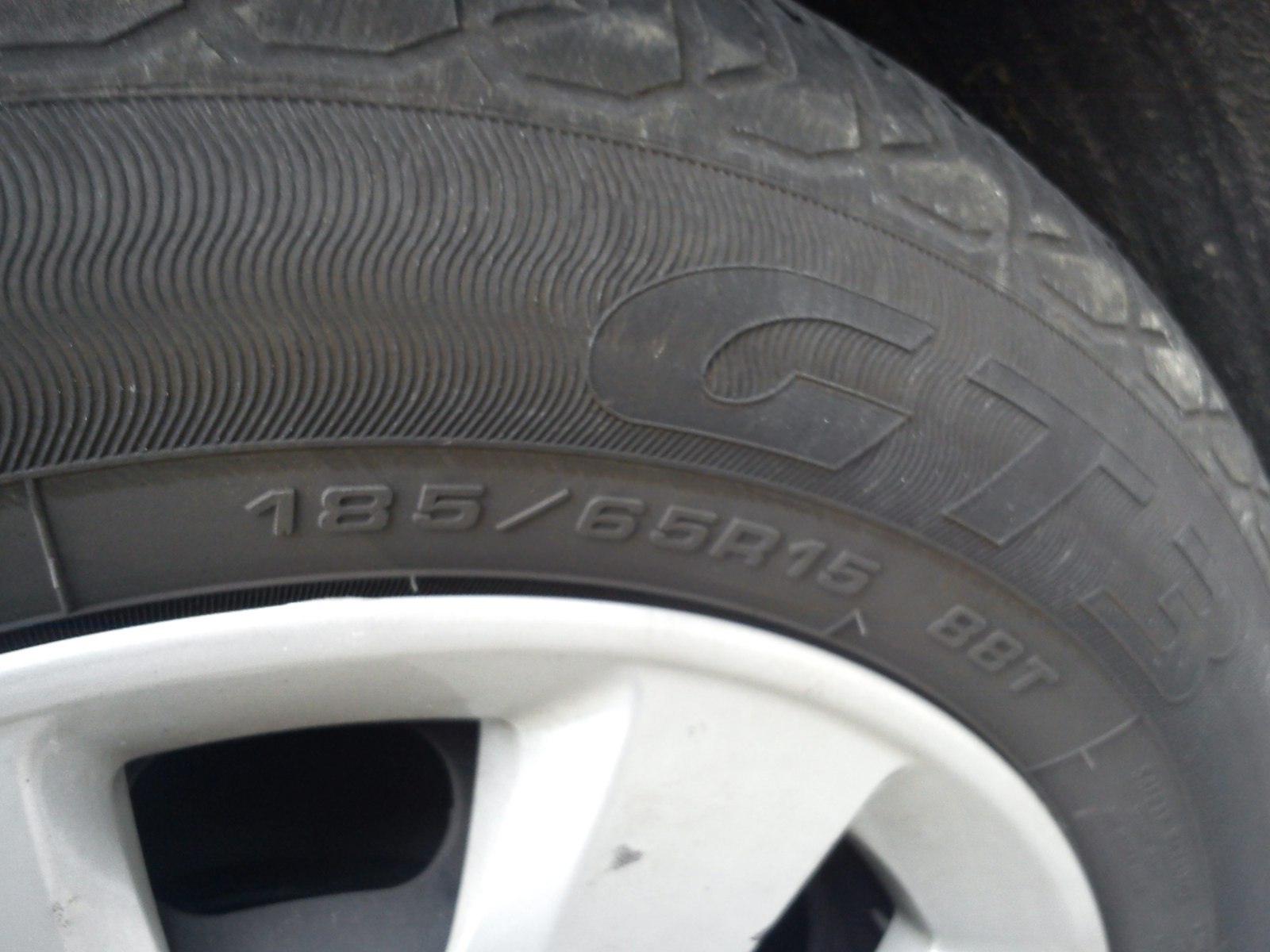
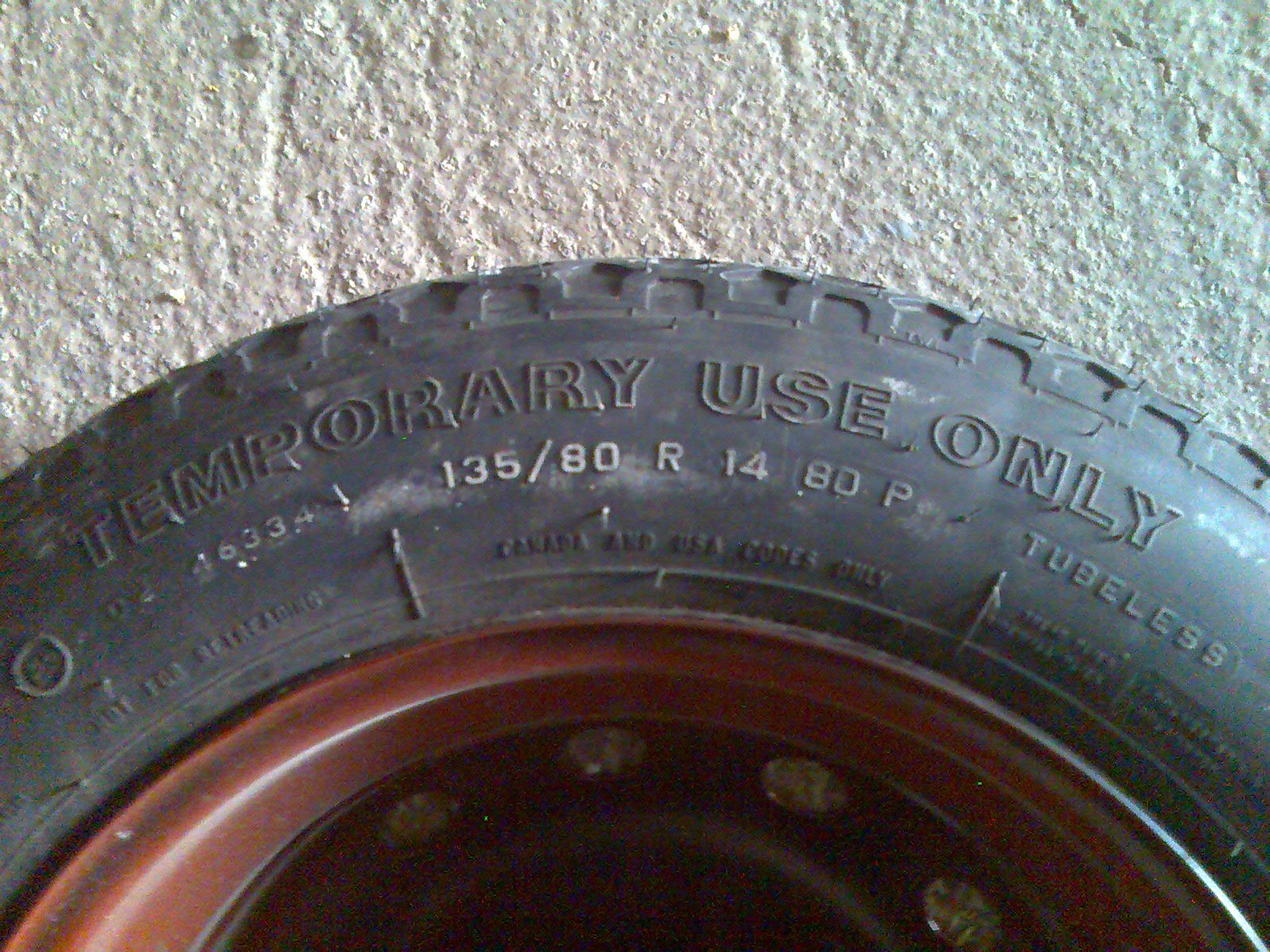
A photograph of the currently fitted tyre is useful supporting information, but not proof of approval by itself. A previous owner may have fitted something unsuitable. An older set may also belong to a configuration that has since changed. Compare what is fitted with the documents instead of simply ordering the same inscription again.
Keep a traceable link between the supplier’s offer and the approval information. It makes the delivery check easier: do the size and specification match what was confirmed? Resolving a discrepancy before fitting is much simpler than doing so after a first drive.