What are you bringing?
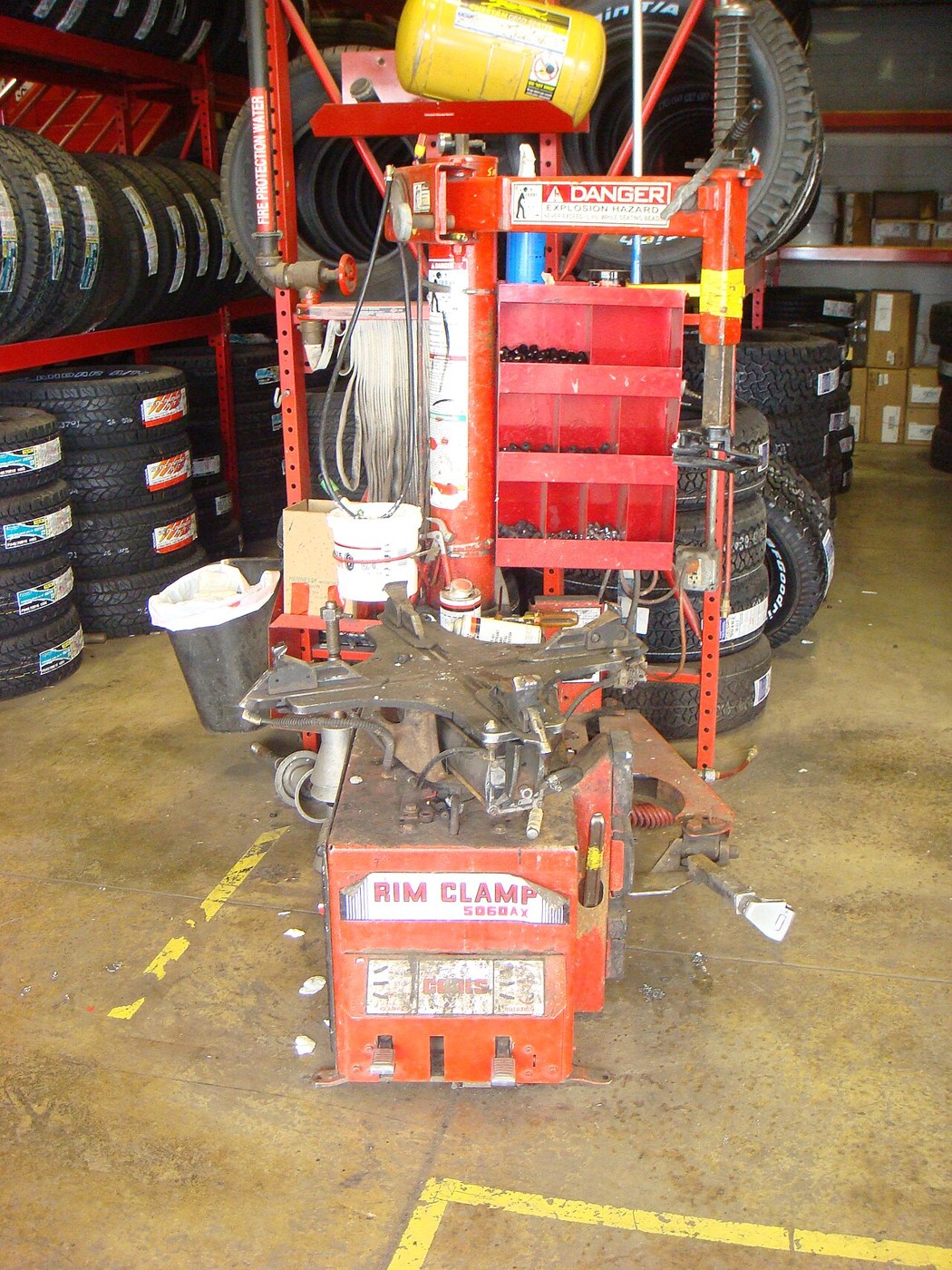
A wheel change removes complete wheel-and-tyre assemblies from the vehicle and replaces them with others. Each tyre stays on its rim. If you have four loose winter tyres without rims, the workshop must remove the current tyres and fit the replacements to those rims. That is tyre fitting, although everyday conversation often calls both jobs a tyre change.
When booking, describe the items you actually have: four complete wheels, four loose tyres, or new tyres being delivered directly to the workshop. Give the vehicle details, wheel size and any special tyre technology as well. A slot intended for swapping complete wheels may not accommodate tyre fitting and new sensors.
What should the quotation include?
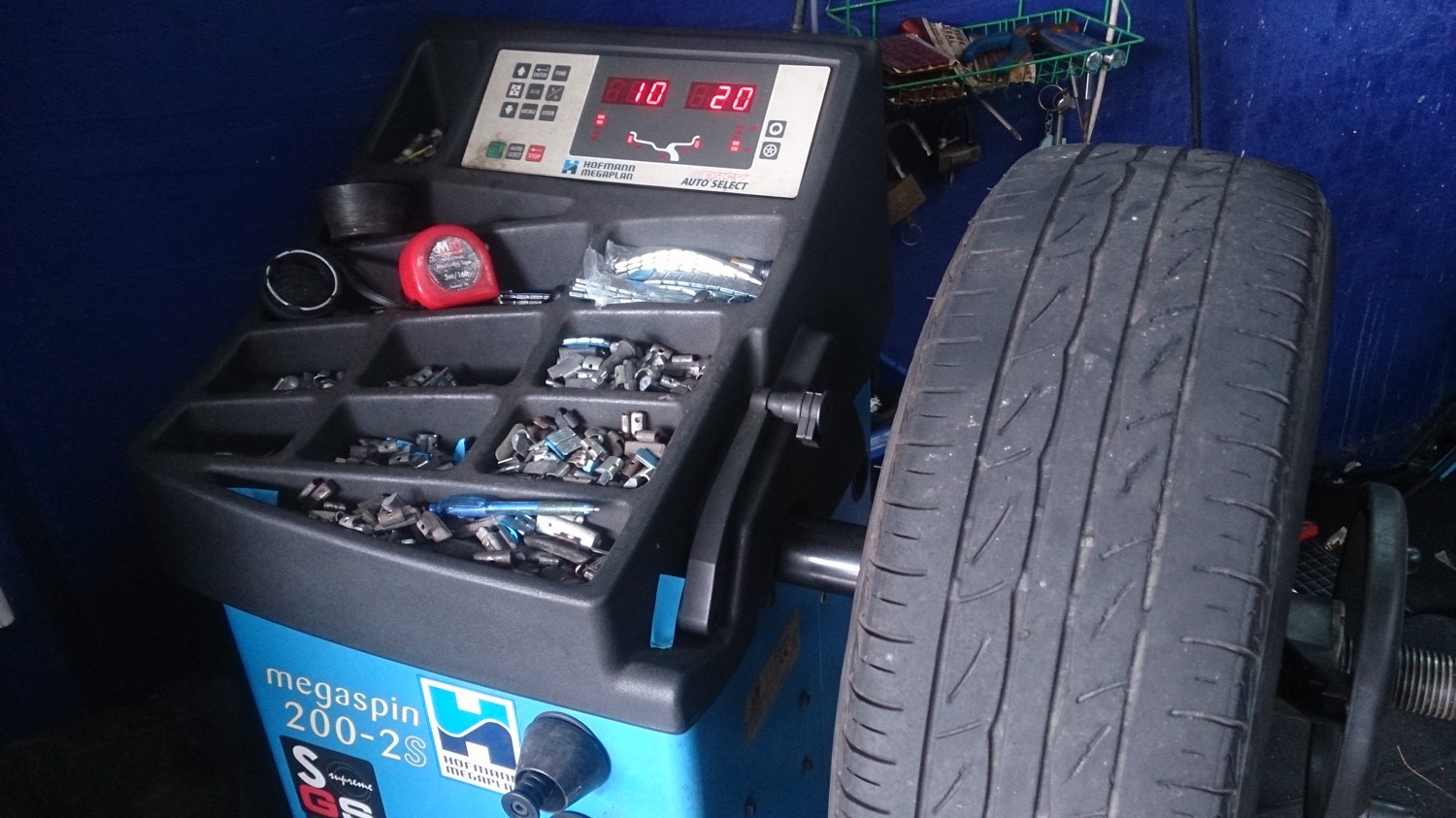
A fitting quotation should identify removal, fitting, balancing, valves or appropriate sensor service parts, and installation on the vehicle. Disposal of the old tyres is another item. For a wheel change, condition checks and pressure adjustment remain relevant. Balancing and alignment are different services and should not disappear under one vague description.
Ask about customer-supplied tyres. Some workshops do not fit tyres bought elsewhere, while others quote a different labour charge. Find out before ordering rather than while unloading them. Acceptance by the workshop also does not make an incorrectly ordered tyre suitable for your car.
Dropping off and collecting
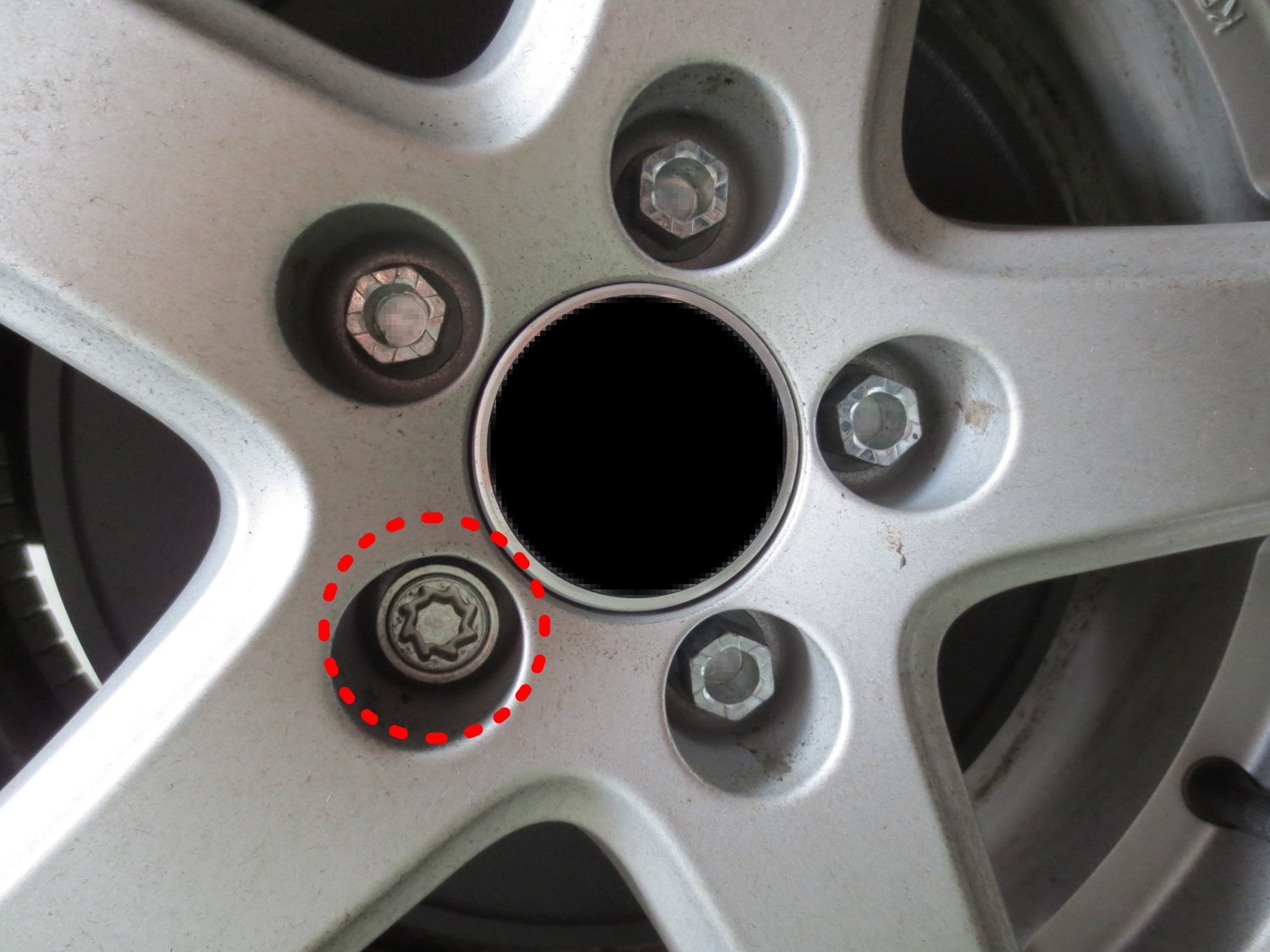
Bring the locking wheel-bolt key if the car has one. Where possible, identify existing wheel damage together at reception. Agree whether removed items will be returned, stored or disposed of. Clear instructions are particularly useful when only two tyres are being replaced and the other wheels remain in use.
On collection, check that the invoice matches the agreed work. Ask what was done to the tyre-pressure monitoring system and whether any vehicle-specific steps remain. Clarify the workshop or manufacturer's instructions for checking wheel fasteners afterwards. There is no universal torque figure that follows from the booking description. Keep the invoice so that, at the next seasonal appointment, both you and the workshop can see exactly which services were performed last time.