Identify the exact product first
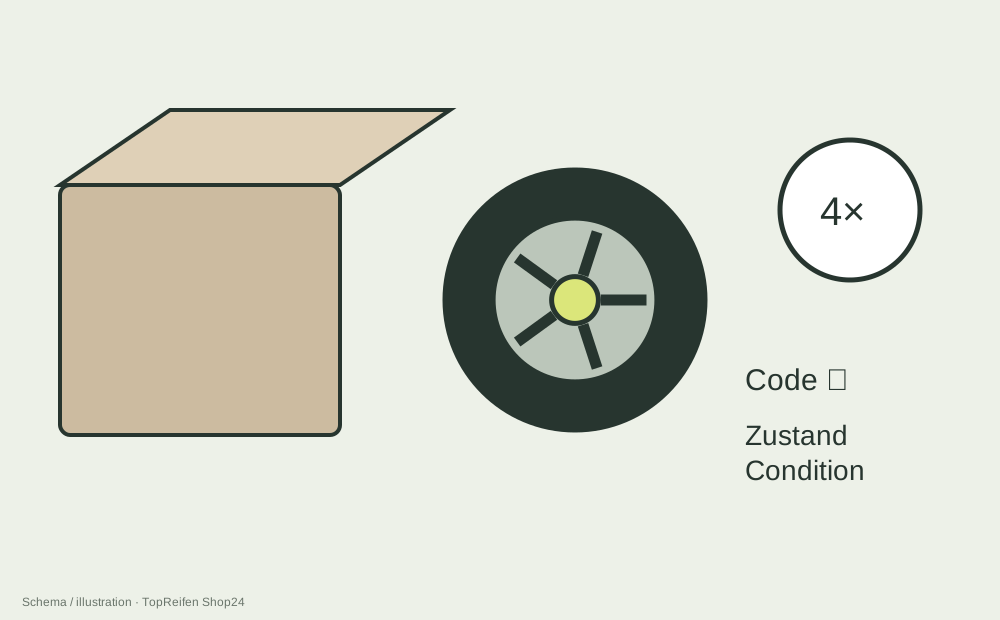
Two quotations become comparable only when they address the same requirement. Record the manufacturer, model, full tyre size and any necessary additional markings. Include the model generation. Similar names may describe different products; a discounted older range is not automatically the same offer as the current model. Establish suitability for your vehicle before weighing up the price difference.
When a seller proposes an alternative, ask what actually changes. Is it a different load-capacity version? Does the quotation include a particular OE marking? Are four identical tyres available, or does the stock display refer to one tyre? These questions prevent a price comparison from quietly becoming a comparison between different specifications. A cheaper version may be suitable, but that needs an explicit check.
From four tyres to four fitted wheels
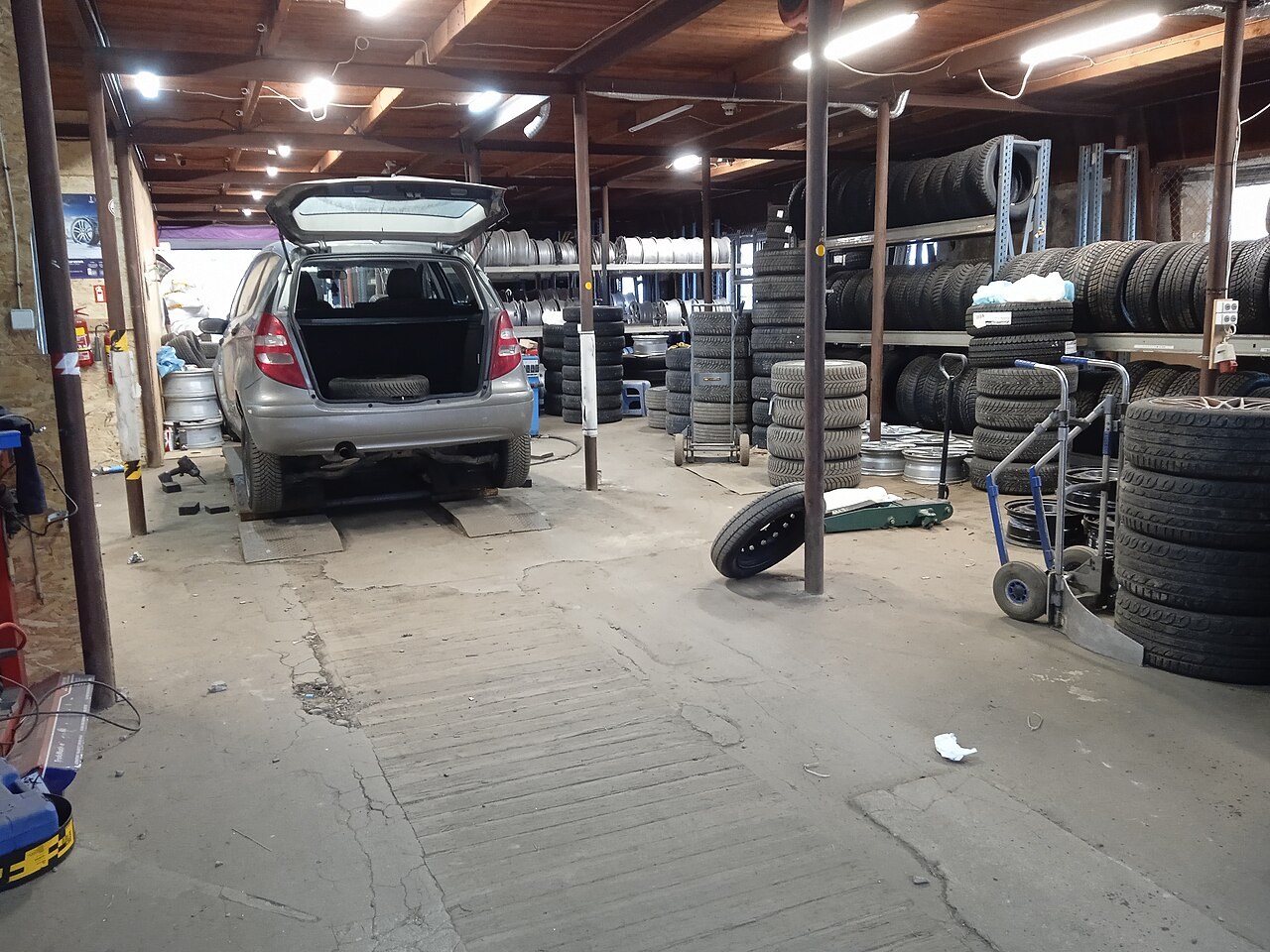
Separate the goods from the services in your notes. Alongside four tyres, the total may include delivery, removal of the old tyres, mounting the replacements, balancing, valve work, TPMS servicing and disposal. Not every item applies to every vehicle. Ask what is actually required and which tasks the package already includes. A quotation for changing complete wheels is different from one for fitting new tyres to rims.
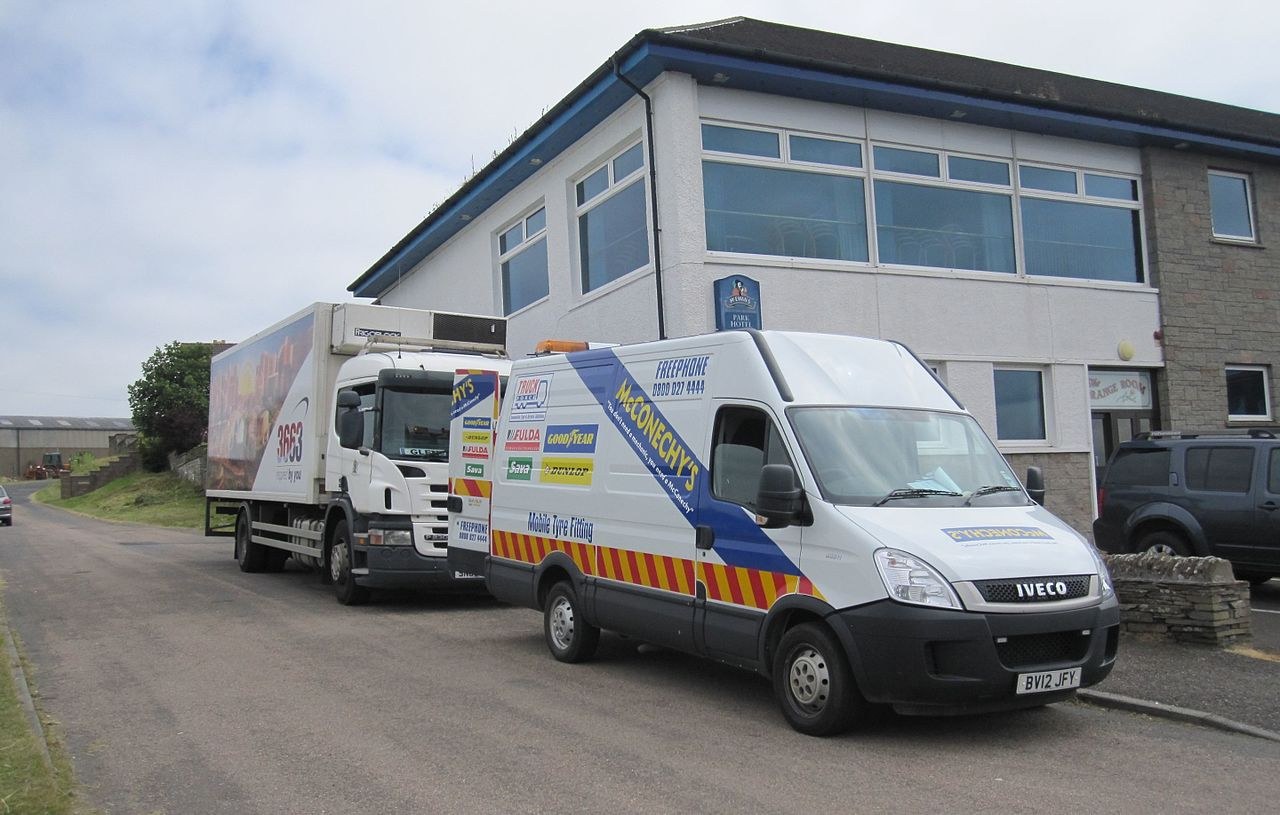
A local workshop's higher tyre price may already cover part of that work. An online price may cover the goods alone. Before ordering separately, establish whether your chosen workshop will fit customer-supplied tyres and obtain its total charge. A theoretically cheap delivery is of little use if a suitable fitting appointment is unavailable or additional work only becomes apparent at reception.
One comparison row might read: four tyres, delivery, fitting with balancing, the required valve service and disposal of the old tyres. Against each supplier, enter a confirmed amount, “included” or “not yet confirmed”. An empty box does not mean free. Also establish whether the quoted final amount includes taxes and what conditions apply. This compares the payable job rather than the most prominent advertised figure.
A calculation, not a claim about market prices
Suppose quotation A, in a completely invented example, lists €360 for four tyres and €100 for all necessary additional work. Quotation B lists €400 for the tyres and €45 for the same services. The comparable totals are €460 and €445. B is €15 cheaper overall in this illustration, despite charging more for the tyres. These figures are only an arithmetic example, not current prices or an estimate for your tyre size.
Replace every figure with a written quotation. If B excludes the required TPMS service, the comparison is unfinished. Similarly, deduct a promotion only when its conditions are satisfied. A rebate claimed after registration, a voucher for a later purchase and an immediate discount affect the amount payable now in different ways. Keep them separate rather than treating every advertised benefit as money already saved.
Record timing and responsibility as well
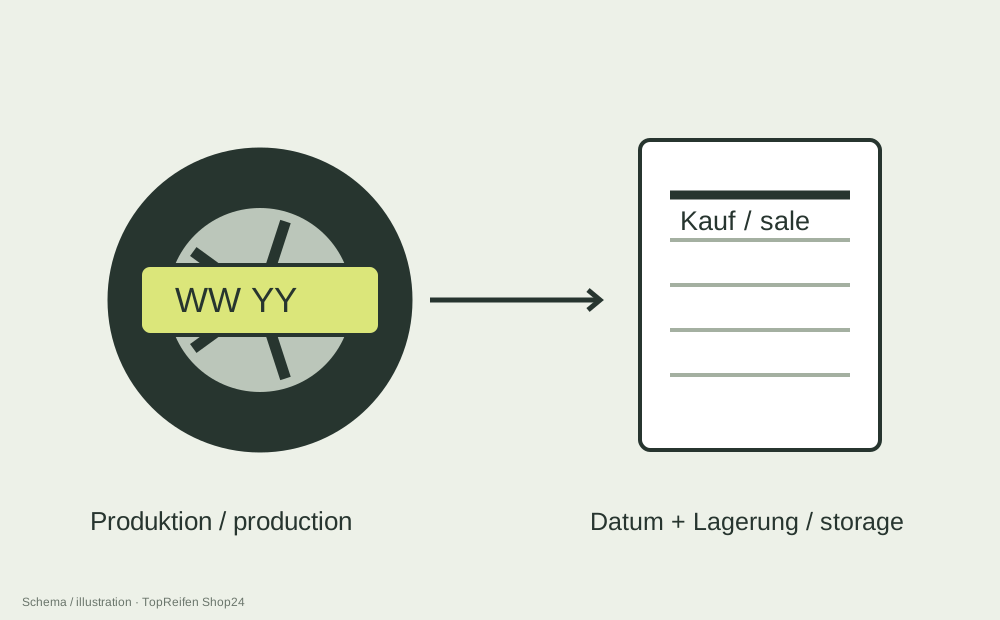
Confirm the delivery date, fitting location and contact for enquiries. When buying and fitting are separate, the seller and workshop are not necessarily the same organisation. Note whom to contact about an incorrect delivery, a damaged tyre or a fitting question. This does not replace the contract terms, but it makes the practical arrangements clearer.
Keep the quotation with the agreed product specification. At collection, compare the invoice with the confirmed work and ask about unexpected entries. The lowest suitable quotation is one whose product, services and total are understandable. An unresolved fitment approval or a missing service cannot be offset by an attractive unit price.