Do not diagnose the impact with another driving test
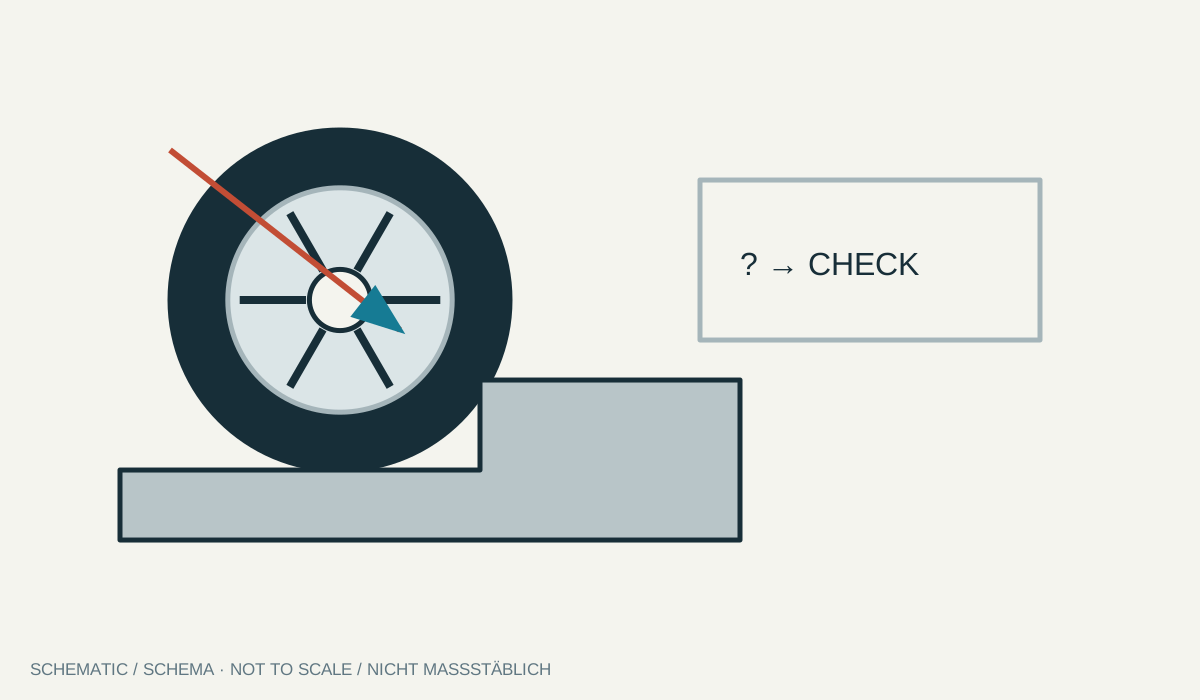
A pothole can heavily load a tyre between the road edge and wheel rim. After a substantial impact, base the next decision on the vehicle’s condition rather than the wish to arrive on time. Watch for pressure warnings, changed steering, vibration and unusual noise. Significant abnormalities call for a safe stop and assistance.
Do not accelerate to discover whether the disturbance disappears. No immediate pressure warning does not amount to a complete check. Monitoring measures or detects pressure changes, not every form of tyre or wheel damage.
What a visual check can establish
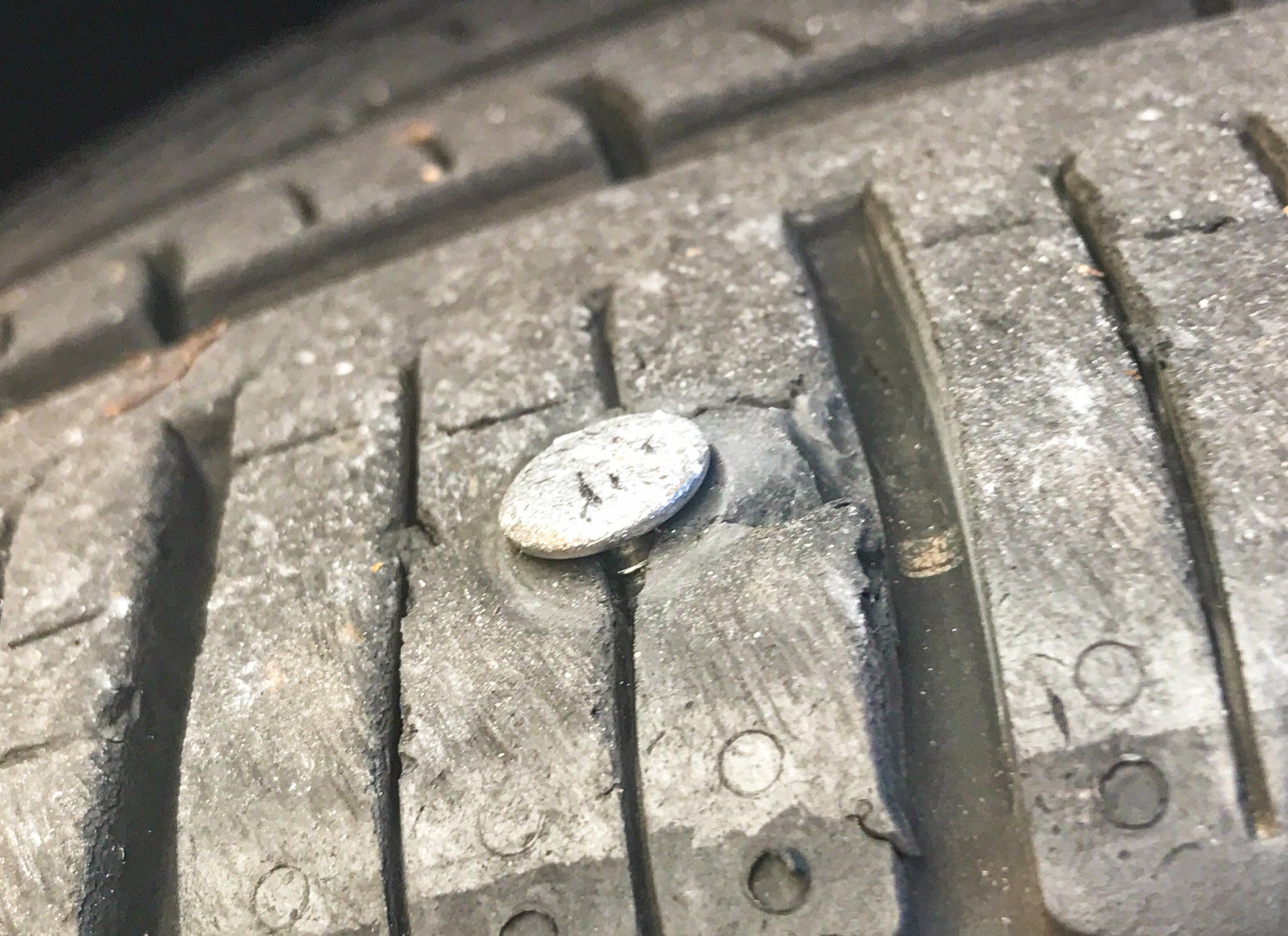
At a safe location you may see a bulge, cut, flat tyre or obvious rim distortion. These findings mean stopping use until the situation is assessed. The inner sidewall and inner rim are often difficult to inspect, however. An examination after a strong impact can still be appropriate when the outside looks normal.
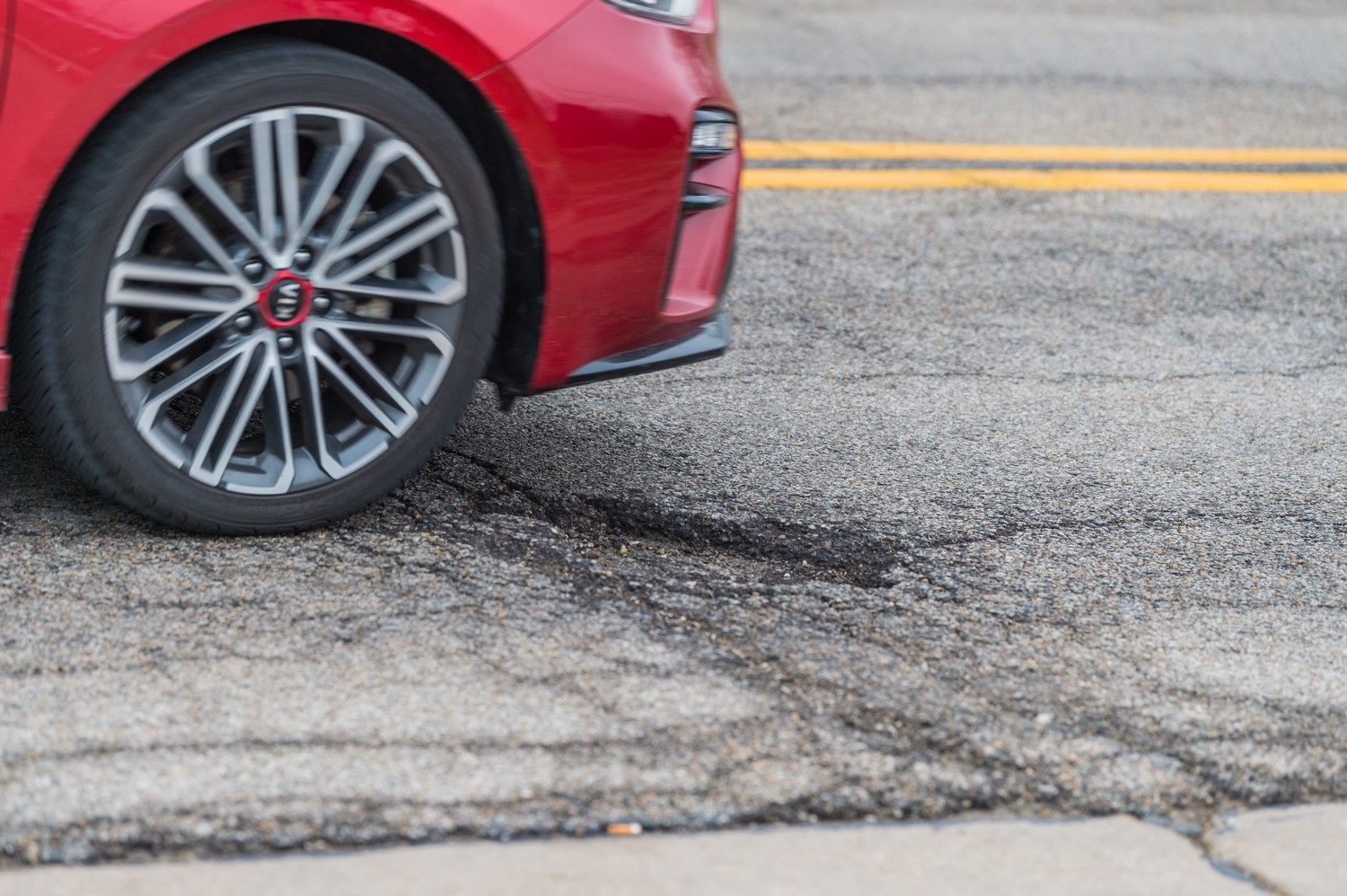
Photograph anything unusual with its wheel position and the date. Describe noise and handling after the event as well. A picture of the pothole documents the incident but does not identify the damaged vehicle components by itself. Never enter a dangerous roadway to obtain a photograph.
Consider the tyre, wheel and axle together
The workshop can inspect external and internal tyre condition and examine the wheel. Other checks depend on symptoms. Alignment measures wheel geometry, whereas a balance test assesses a different characteristic. These terms are not interchangeable.
Ask why a particular check is recommended. A traceable finding is more useful than a general package unrelated to the incident. If a part requires replacement, the documentation should identify the reason. Keep photographs and the invoice together.
Take later changes seriously
Continue regular cold-pressure checks and watch for new symptoms. A developing leak may only become apparent later. A new bulge or increasing vibration calls for another inspection; do not continue if damage is suspected.
Normal prevention still includes suitable tyres, correct pressures and driving adapted to conditions. None guarantees immunity from every pothole. Avoid absolute claims that one wheel diameter cannot suffer damage: both the obstacle and the complete wheel-and-tyre combination influence the loading.