Two numbers using different units
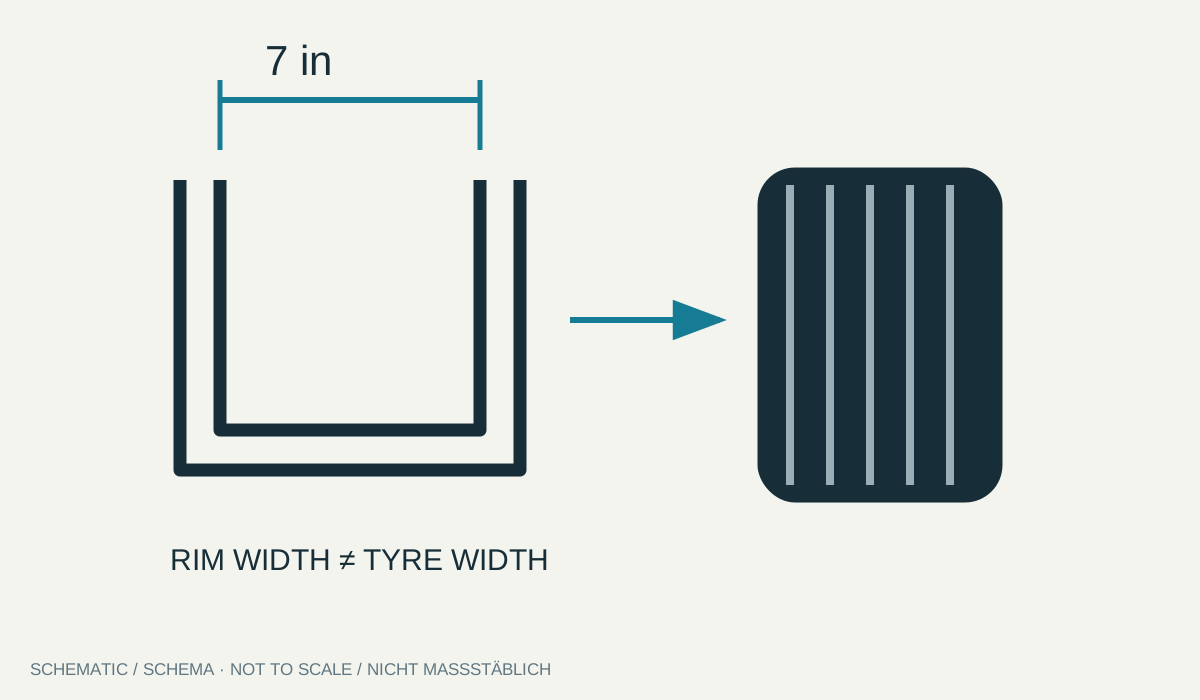
In a common wheel description such as 7J x 17, the 7 is the nominal internal width in inches. The 17 identifies the diameter, while the letter refers to the flange profile. A tyre description such as 225/45 R17 instead begins with a nominal width in millimetres. Comparing 225 directly with 7, or treating a unit conversion as proof of compatibility, is therefore mistaken.
The nominal internal width relates to the relevant inner rim surfaces, not the maximum outside width across both flanges. Measuring the outside of a used wheel with a ruler will not automatically reproduce its marked size. Look for the stamped or cast identification first. Measurement can help an assessment, but it does not replace identification of the component.
Matching diameter is only one requirement
A 17-inch tyre and a 17-inch wheel initially share only the diameter reference. That does not make every possible width suitable. The tyre manufacturer specifies appropriate rim widths for the tyre version concerned. The complete combination must also suit the vehicle. A generic chart found online cannot fully replace those two checks.
Record more than “a 225 tyre”: include its full description, model and version. For an uncertain combination, request the specific technical documentation. A deliberately stretched appearance is not evidence of an approved fitment. How the sidewall looks after mounting cannot replace the approval on which fitting should be based.
Width changes the space required
A wider wheel requires more space when the remaining geometry is unchanged. Where that extra space is needed also depends on offset. Compare width and offset together rather than considering them separately. The wheel may move closer to components on the inside or extend further towards the outer wheel arch. Looking at the car from outside reveals only part of that relationship.
The shape of the mounted tyre matters too. Tyres sharing a nominal size need not have identical outer dimensions in every detail. That is another reason not to answer a clearance question using the wheel marking alone. A workshop or inspection organisation needs the complete proposed combination and details of any vehicle modifications.
Prepare a question without transcription errors
A useful enquiry needs a few accurately recorded details: vehicle variant, wheel type, width, diameter, offset and full tyre information. Add the available approval documents. If the answer is simply “it fits 17-inch wheels”, ask for the missing confirmation of width and vehicle-specific conditions. Establishing the relationship properly is less work than buying an unresolved wheel and then trying to find a tyre that somehow makes it usable.