Before covering the wheels
Clean and dry the wheels in accordance with the relevant manufacturer instructions. Avoid trapping moisture and loose dirt inside a cover. At the same time, check for existing tyre and wheel damage. A photograph of each outer face and a note identifying the vehicle help distinguish later transport damage from previous marks.
Storage arrangements also depend on whether these are complete wheels or loose tyres. Do not automatically apply advice for mounted assemblies to unmounted tyres. If uncertain, ask the tyre or wheel manufacturer, or the storage provider, for a suitable arrangement for your set.
Secure them in the vehicle
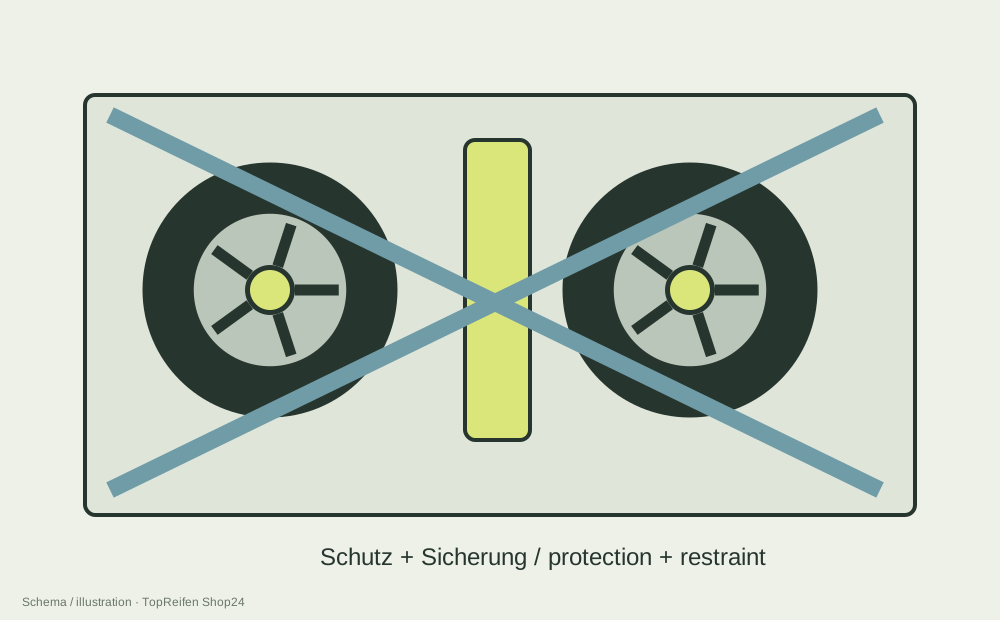
Four wheels are heavy objects. Secure them against rolling and sliding in the load area without allowing sharp edges or unsuitable restraints to damage the tyres. Protect visible wheel faces from direct contact with metal objects and other wheels. A thin storage bag contains dirt but does not restrain a load.
Plan the space before the collection appointment. If seats need folding, follow the vehicle instructions for transporting heavy items. Preserve the driver's visibility and safe seating for passengers. A wheel standing loose inside the passenger compartment is not a sound arrangement even for a short journey.
Assess the storage position
Choose a dry, protected position capable of supporting the load. Keep wheels away from heat sources, direct sunlight, solvents and equipment that creates unsuitable conditions. Check the capacity of racks or supports and make sure that concentrated contact cannot damage sensitive surfaces.
For commercial storage, the receipt should identify the set clearly. Quantity, size, wheel type and visible existing damage make later identification easier. Ask how collection works if you change workshop or need the set unexpectedly. When the wheels return to use, their pressure and condition still need checking; several months in suitable storage do not replace that inspection. Any damage acquired while the wheels were off the car should be investigated before the next use, rather than after the first long journey.