Start with the vehicle
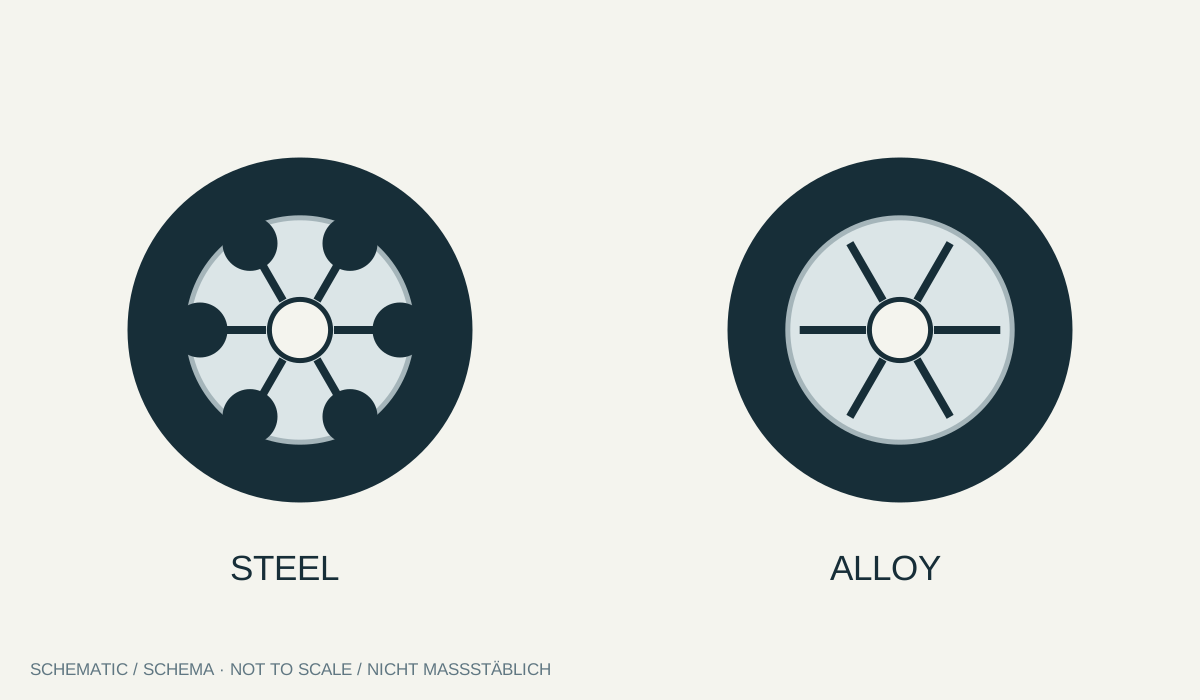
The steel-or-alloy question often arises when buying a second wheel set. Even so, appearance is not the first check. Establish which versions suit the vehicle, its brakes and the intended tyres. A low set price cannot make an unapproved size or construction suitable. A configurator may narrow the search, but the actual part number still needs to match.
Where possible, compare wheels in the same intended size. Otherwise, material choice becomes mixed with a size change. A larger alloy wheel and a different tyre profile may bring different characteristics and costs from a smaller existing steel wheel. Those differences cannot all be attributed to aluminium. Write the wheel size and associated tyre beside each candidate before listing advantages and disadvantages.
Establish what the price includes
The comparison should cover four suitable wheels and the necessary accessories. Desired wheel trims may be an additional item with a steel set. Either type may require appropriate fixings, sensors or other approved components. Ask what the quotation includes instead of comparing the unit price of a bare wheel with a complete package.
Weight should also refer to specific products. The term alloy does not provide a reliable weight figure for comparison with every steel wheel. Construction, size and required load capacity all influence the design. If mass matters to your choice, obtain figures for the actual wheels and compare the same measurement basis. A heavier tyre can also alter part of a saving made at the wheel.
Winter use also depends on the finish
Aluminium is not automatically unsuitable for winter. Manufacturers including ALCAR offer alloy wheels with coatings intended for that use. The particular surface and its intended conditions matter. Ask about winter suitability and care for the selected model; do not assume that advice for a painted version applies to every polished or differently finished surface.
Both wheel types need attention when dirty or when protective finishes are damaged. A simple shape may be easier to reach than numerous narrow spokes, whichever material you prefer. Consider where and how you will clean and store the wheels. A design that looks attractive in a catalogue is also an everyday choice if cleaning it takes time or particular cleaning agents must be avoided.
Do not dismiss damage because of the material
A visible impact, crack or substantial distortion needs professional assessment. The ideas that a steel wheel can always be straightened or that every scratch makes an alloy wheel unusable are too crude to guide a decision. The type, location and extent of damage matter. Do not base a purchase on an assumed repair that has not been assessed.
A short comparison is usually enough: suitable version, complete price, actual weight, finish, cleaning access and replacement-part availability. Appearance can then be a matter of personal preference. Technical suitability and an understandable complete quotation should already be established before colour or spoke shape decides the choice.