Airtight does not mean permanently repaired
Sealant may provide a temporary solution under the conditions in its instructions. It is not a general promise that every injury has been resolved. Damage type and position, achieved pressure and other restrictions still matter. A dashboard display returning to normal does not replace those conditions.
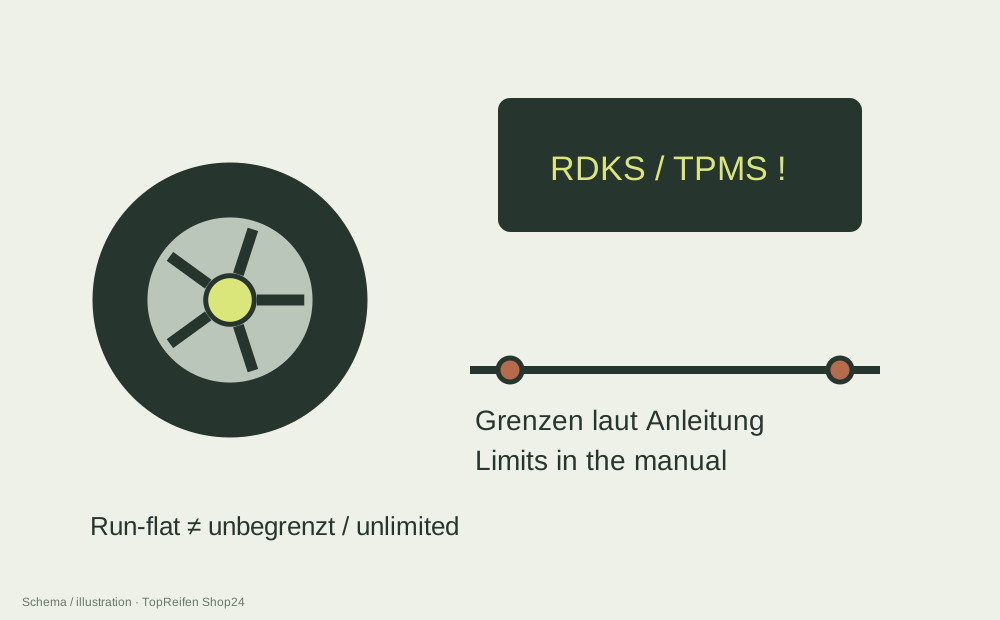
Follow the limits of the actual kit. Speed, distance and checking steps may be product-specific. Do not copy values from another vehicle or an older kit used previously. If the prescribed conditions cannot be met, obtain further assistance rather than deciding independently to continue.
Tell the workshop what happened
Identify the product and, where possible, the amount or container used. Describe when the puncture occurred, whether the tyre ran with inadequate pressure beforehand and which warnings appeared. Even a short onward journey may matter to assessment. Mark uncertain details as uncertain.
Knowing that sealant was used helps the workshop prepare its inspection and handling of affected components. Do not hide the application because of concern that a repair will automatically be refused. Suitability and permission depend on the tyre, damage, product and manufacturer requirements and must be assessed in the particular case.
Have the complete injury assessed
Internal examination may be necessary to establish condition. A small-looking external puncture does not necessarily describe every consequence. Additional damage from pressure loss or driving can change the outcome. Ask the workshop to explain why further use, repair or replacement is proposed.
Ask about the valve and any direct pressure sensor where these may be affected. This does not imply that every component automatically needs replacement. It means the assessment should not stop at the visible puncture. Have necessary work described separately and clearly.
Restore the equipment afterwards
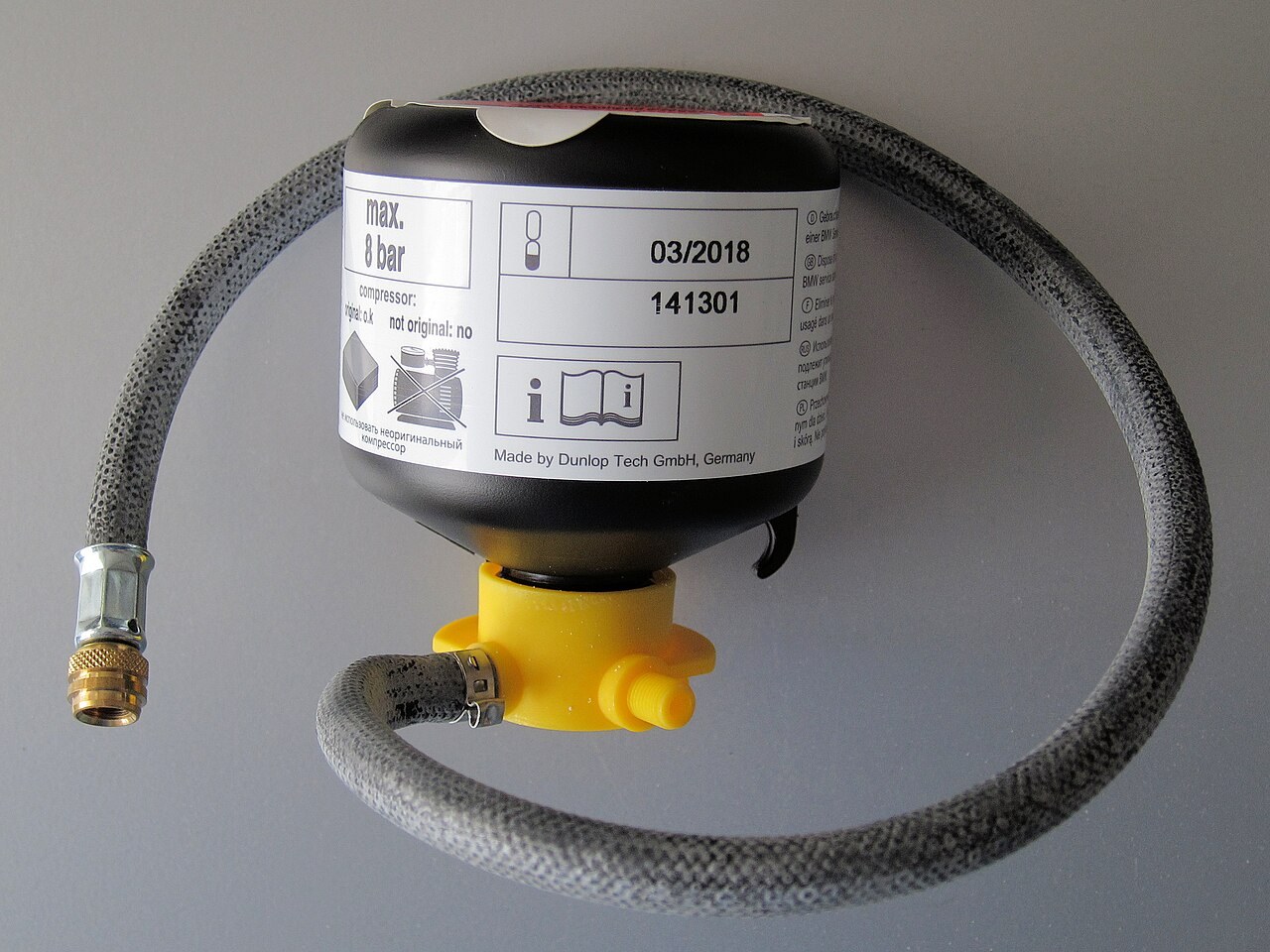
Once the technical issue is resolved, replenish the consumed kit. A used or expired bottle should not remain in the car as an apparently ready reserve. Obtain the appropriate replacement and store the instructions with it. Tell other drivers what has been renewed and whether anything remains outstanding.
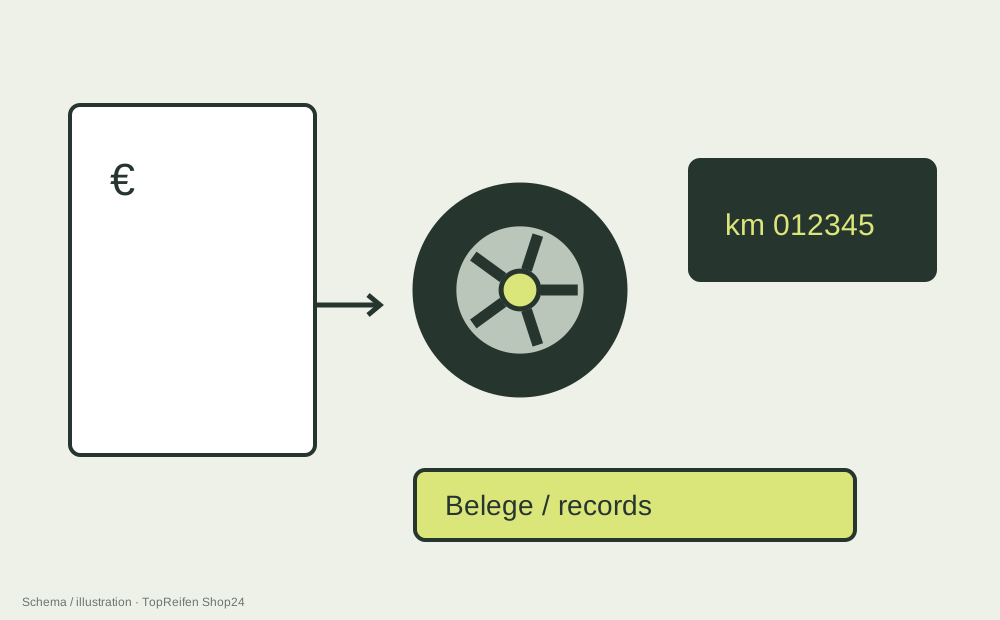
Keep the workshop receipt with the puncture record. It then becomes possible to distinguish a temporary mobility measure from a final decision about the tyre. That distinction matters more than remembering that the sealant initially stopped the leak. It also helps at later servicing, when a technician needs to understand why a particular tyre was inspected or replaced.